Calgary Fly Fishing for Beginners: Your Complete First-Timer Guide
Why Start Fly Fishing on Calgary’s Bow River
The Bow River through Calgary offers one of North America’s premier fly fishing destinations, making it an exceptional place to begin your fly fishing journey. This world-class tailwater fishery maintains stable flows and temperatures year-round thanks to upstream dam releases, creating consistent fishing opportunities regardless of season. With an estimated 2,500-3,500 trout per mile in prime sections, the Bow River gives beginners realistic chances of success while learning fundamental techniques.
Starting on the Bow River provides unique advantages for newcomers. The river flows directly through Calgary, offering easy access without extensive travel to remote wilderness locations. Multiple public access points, parks, and boat launches make it convenient to fish before or after work, or to dedicate full days to developing your skills. The urban proximity also means support infrastructure—fly shops, guide services, equipment rentals—are readily available when you need advice or gear.
The Bow River’s year-round fishing window gives beginners flexibility other fisheries can’t match. While spring through fall (April-October) provides the most comfortable conditions, dedicated anglers fish the Bow successfully during Calgary’s winter months when weather cooperates. This extended season means you’re not limited to narrow windows to practice and improve your casting, presentation, and fish-reading abilities.
Perhaps most importantly for beginners, the Bow River’s healthy trout populations are relatively forgiving of imperfect casts and presentations. Rainbow and brown trout actively feed throughout the water column on various food sources, giving you opportunities to catch fish while still refining your technique. This balance of accessibility, fishability, and quality makes the Bow River ideal for your introduction to fly fishing.
What to Expect Your First Day Fly Fishing
Your first fly fishing experience on the Bow River will likely differ from any fishing you’ve done before, requiring new skills and perspectives. Understanding what to expect helps set realistic goals and maximizes enjoyment as you begin this rewarding journey.
Most beginners start with a guided trip, and for good reason. A typical beginner day starts with your guide explaining the equipment you’ll use and demonstrating proper casting mechanics. You’ll learn the four-part cast—pickup, backcast, forward cast, and presentation—through hands-on practice before you ever enter the water. This on-land instruction might feel repetitive, but it builds muscle memory that proves invaluable once you’re focusing on water, fish, and flies simultaneously.
Once on the river, your guide will position you in productive water and coach you through your first casts to feeding fish. Beginning fly anglers often expect immediate success, but catching your first trout on a fly rod typically requires patience and persistence. You might hook fish within the first hour, or it might take half a day of practice before everything clicks. Both scenarios are completely normal—fly fishing success depends on simultaneous execution of multiple skills that must be learned through repetition.
Throughout the day, your guide will adjust techniques based on current conditions and your developing abilities. You might fish dry flies (floating patterns that trout eat from the surface), nymphs (subsurface imitations drifted along the bottom), or both depending on fish activity. Guides provide all necessary equipment—rod, reel, flies, waders, boots—so you can focus entirely on learning rather than worrying about gear selection.
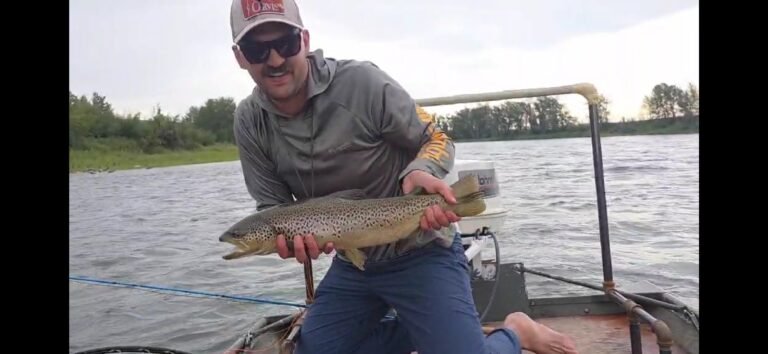
Realistic expectations for a first-day beginner include hooking 3-10 fish, with the possibility of landing half of those you hook. Fish might range from 12-20 inches, with the occasional larger trout testing your newfound skills. More important than fish counts, you’ll leave understanding basic casting mechanics, how to read water, and why trout position themselves in specific locations. This foundational knowledge proves more valuable long-term than the number of fish you catch on day one.
Essential Fly Fishing Basics for Beginners
Understanding Match the Hatch
“Match the hatch” represents fly fishing’s fundamental concept: presenting flies that imitate whatever food source trout are actively eating. Unlike conventional fishing where artificial lures attract through flash and vibration, fly fishing succeeds through realistic imitation of natural prey. Bow River trout feed primarily on aquatic insects—mayflies, caddisflies, stoneflies—along with terrestrial insects, small fish, and crustaceans.
Throughout the year, different insects emerge in predictable patterns, creating the “hatches” that fly anglers anticipate. Spring brings Skwala stoneflies and Blue-Winged Olives. Summer features Pale Morning Duns and golden stoneflies. Fall sees prolific Trico hatches and returning BWOs. Matching your fly pattern to the insects actively hatching improves your success dramatically. Your guide or local fly shop can advise on current hatches and appropriate fly selections. Understanding this concept helps you grasp why fly selection matters and how to think like the fish you’re pursuing.
The Four-Part Cast
The fly cast differs fundamentally from spin or baitcasting because you’re casting the weight of the line, not the lure. This requires a rhythm and timing that feels unnatural initially but becomes smooth and effortless with practice. The cast breaks down into four distinct parts that must flow together seamlessly.
The pickup lifts line off the water, loading the rod with energy. The backcast transfers that energy behind you, straightening the line completely before beginning the forward motion. The forward cast drives the line toward your target, and the presentation allows the fly to land gently on the water. Common beginner mistakes include rushing these phases, using too much power, or failing to let the backcast straighten completely. Think “slow and smooth” rather than “fast and hard.” The rod does most of the work—your job is providing proper timing and rhythm. Practice on grass or in a park before entering the water helps build confidence and consistency without the distraction of fishing.
Reading the Water
Trout don’t distribute randomly throughout the river; they hold in specific locations based on current speed, depth, cover, and food availability. Learning to “read water” means identifying productive areas where fish will be feeding rather than wasting time on empty water.
Riffles are shallow, choppy sections where water accelerates over rocky bottoms. These oxygen-rich areas produce abundant insect life and often hold actively feeding trout, especially smaller fish. Runs are deeper, moderately paced flows between riffles and pools—prime trout habitat combining good current, adequate depth, and regular food delivery. Pools are slower, deeper areas where larger fish often rest, though they may be less actively feeding unless a hatch is occurring.
Pay special attention to seams—transition zones where fast current meets slow water. Trout hold in the slower water while intercepting food carried by the adjacent faster current, minimizing energy expenditure while maximizing feeding opportunities. Other productive spots include current breaks behind boulders, undercut banks, drop-offs, and anywhere structure creates favorable positioning for feeding fish. Your guide will help you recognize these features and understand why certain spots hold fish while similar-looking areas don’t.
Gear You’ll Need as a Beginner
When starting fly fishing, you face the decision of buying equipment versus renting or using guide-provided gear. For your first few trips, using provided equipment makes sense—you’ll develop preferences and understanding before investing in your own setup. Once ready to purchase, focus on versatile, quality gear appropriate for Bow River conditions.
A 9-foot, 5-weight rod represents the versatile standard for Calgary’s Bow River. This combination handles dry flies, nymphs, and small streamers effectively, covering 90% of situations you’ll encounter. Quality starter rods from Redington, Echo, or Temple Fork Outfitters run $150-$300, delivering performance that won’t limit your progression. Avoid very cheap rods under $100—they cast poorly and create bad habits. Match your rod with an appropriate reel ($100-$200), ensuring it has a quality drag system for controlling larger fish.
Weight-forward floating line (designated WF5F for a 5-weight) suits most Bow River fishing. Expect to invest $60-$100 for quality line that casts smoothly and lasts multiple seasons. Add a 9-foot tapered leader and spools of 4X, 5X, and 6X tippet material for connecting flies to your leader. Total investment for this basic setup: $400-$600.
Breathable chest waders ($200-$400) and wading boots with studded soles ($100-$200) complete your essential equipment. The Bow River’s slippery, algae-covered rocks make studs or metal bars essential for safe wading. Don’t compromise on footwear—slipping and falling creates safety risks and ruins fishing days.
For detailed equipment guidance, including specific product recommendations and complete budget packages, see our comprehensive Bow River fishing equipment guide. Many beginners start with guided trips where all gear is provided, then gradually acquire their own equipment as skills and commitment develop.
Learning Options in Calgary
Guided Trips with Professional Instruction
Professional guided trips offer the fastest path to fly fishing competence. Expert guides provide hands-on instruction, error correction, and immediate feedback that accelerates learning far beyond self-teaching approaches. A full-day guided trip on the Bow River typically costs $600-$750, including all equipment, instruction, lunch, and flies. This investment delivers concentrated learning that might take dozens of solo sessions to achieve.
Quality guides like those at King Trout Outfitters hold certifications from Fly Fishers International and professional guide schools, ensuring you learn proper techniques from the start rather than developing bad habits. The 2:1 guide-to-client ratio allows personalized attention and coaching throughout your day. Beyond casting instruction, guides teach water reading, fly selection, knot tying, fish handling, and the intangible skills that separate successful anglers from frustrated ones.
Book guided trips during prime seasons—spring through fall—when comfortable weather and active fish create optimal learning conditions. As a beginner, scheduling multiple guided days over your first season builds skills progressively while maintaining enthusiasm through consistent success. Many anglers continue using guides periodically even after becoming independent, accessing their knowledge of current conditions and productive techniques. Ready to start learning from Calgary’s best? Schedule your consultation to discuss beginner trip options tailored to your goals and schedule.
Self-Teaching Approaches
While guided instruction offers advantages, determined anglers can learn independently through practice and study. This approach requires more patience and persistence but works for those preferring self-directed learning or managing budget constraints.
Start with casting practice in parks or fields before attempting to fish. YouTube offers numerous quality casting instruction videos, though in-person feedback from experienced anglers proves more valuable. Join local clubs or online forums where welcoming communities share knowledge and answer questions. Visit Calgary fly shops like Country Pleasures or Fish Tales—staff often provide helpful advice on current conditions and effective flies.
Understand that self-teaching typically involves more frustration and slower progress than guided learning. You’ll spend significant time troubleshooting problems without knowing what’s wrong or how to fix it. Many self-taught anglers eventually invest in guided trips to correct developed bad habits and accelerate their improvement. However, the pride and satisfaction of catching fish through your own learned skills can outweigh these challenges.
Best Times and Places for Beginners
Timing your first fly fishing experiences strategically improves success likelihood and enjoyment. While the Bow River fishes year-round, certain seasons offer more forgiving conditions for learning.
Late spring through early fall (May-September) provides optimal beginner windows. Comfortable air and water temperatures, prolific hatches, and actively feeding fish create ideal learning conditions. Summer’s long daylight hours allow extended practice sessions without darkness cutting short your day. Hatches occur predictably, giving you opportunities to sight-fish for rising trout—the most exciting and visual way to start fly fishing.
Within these months, consider seasonal hatch timing when booking trips. Late April through May features Skwala stoneflies and BWOs. July brings golden stonefly hatches that produce aggressive surface strikes. September offers Trico hatches and beautiful fall colors. Each period has unique appeals, though all provide excellent beginner fishing.
For location selection, begin with walk-and-wade access points rather than float trips. Walking allows you to practice casting and technique without the added complexity of fishing from a moving drift boat. Popular beginner-friendly access points include Policeman’s Flats, Carburn Park, and various Fish Creek Provincial Park locations. These spots offer easy wading, clear casting lanes, and sufficient fish populations to provide action while learning.
As skills develop, graduate to float trips where guides row you through prime water, positioning you for optimal presentations. Float fishing covers more water and accesses sections unreachable from shore, but requires comfort with casting from a boat and managing the added complexity of constant motion.
Common Beginner Mistakes and How to Avoid Them
- Casting Too Hard: New anglers often muscle the rod, trying to force distance and accuracy. Fly casting succeeds through timing and smooth acceleration, not power. Let the rod do the work—your job is providing proper rhythm. Practice the mantra “slow and smooth” until it becomes natural.
- Not Letting the Backcast Straighten: Starting your forward cast before the line straightens behind you creates weak, inaccurate casts. Wait that extra half-second until you feel the line load the rod, then begin your forward motion. This single correction improves most beginners’ casting immediately.
- Poor Line Management: Loose line around your feet causes tangles when fish strike or you need to cast quickly. Keep line organized in your non-casting hand or use a stripping basket. Clear line management means hooked fish stay connected rather than escaping during fumbled line handling.
- Wrong Fly Selection: Using flies that don’t match current hatches or water conditions dramatically reduces success. Consult guides or fly shop staff about productive current patterns. Carry a selection covering dry flies, nymphs, and streamers so you’re prepared for various situations.
- Ignoring Drag: Drag occurs when current pulls your line and leader, making flies move unnaturally. Trout refuse dragging flies that don’t drift naturally with the current. Learn to mend your line (flip it upstream to create slack) and manage line for drag-free drifts.
- Setting the Hook Too Hard: Trout have relatively delicate mouths that tear with overly aggressive hook sets. A firm but controlled strip-set or lift-set hooks fish securely without pulling the fly free. Save powerful hook sets for saltwater or bass fishing.
- Not Covering Enough Water: Beginners often fish the same spot repeatedly rather than moving to find feeding fish. Make several quality presentations, then move 5-10 feet and try again. Actively search for receptive fish rather than hoping they’ll eventually eat.
- Giving Up on Nymphing Too Quickly: Nymph fishing (subsurface techniques) accounts for 75% of trout feeding but lacks the visual excitement of dry fly fishing. Master nymphing—it produces fish when surface action is absent and makes you a complete angler.
- Poor Wading Safety: The Bow River’s swift current and slippery rocks demand respect. Wade deliberately, testing each step before committing weight. Use a wading staff in stronger current. Never wade deeper than necessary or wade in conditions beyond your ability.
- Inadequate Knot Practice: Knots fail at critical moments if tied incorrectly or hastily. Learn the improved clinch knot, surgeon’s knot, and perfection loop thoroughly. Practice at home until you can tie them confidently in the dark or cold. Bad knots equal lost fish.
Your Pathway to Fly Fishing Success
Fly fishing skill development follows a predictable progression that most anglers experience. Understanding this path helps set realistic expectations and keeps you motivated through the learning curve’s challenging early stages.
Your first 5-10 days on the water focus on basic casting competence and understanding how trout feed. You’ll catch some fish, miss many others, and gradually build confidence in your fundamental abilities. This stage feels simultaneously exciting (you’re catching fish!) and frustrating (you know you’re missing easy opportunities). Embrace this phase—everyone progresses through it.
Days 10-30 see notable skill improvements. Casting becomes more automatic, allowing you to focus on water reading and fly selection rather than just getting line on the water. You’ll start recognizing productive water, understanding when to change techniques, and developing preferences for certain fishing styles. Fish numbers increase as presentation quality improves.
Beyond 30 days of active fishing, you transition from beginner to developing intermediate skills. You can execute effective presentations in various conditions, adapt to changing situations, and solve problems independently. Some days you’ll outfish more experienced anglers through good decision-making and execution. Bad days still happen, but you understand why and know how to adjust.
Most anglers continue learning throughout their fishing lives—the sport’s complexity and variability ensure you never master everything. This ongoing learning journey keeps fly fishing engaging decade after decade. Stay curious, remain willing to try new techniques, and appreciate that every day on the water teaches something valuable.
Conservation and River Etiquette
The Bow River’s world-class fishery exists through careful management and anglers’ conservation-minded practices. As a beginner, understanding regulations and ethical practices protects the resource while ensuring you’re fishing legally and responsibly.
Alberta regulations mandate 100% catch-and-release for all trout on the Bow River within Calgary city limits. This means every fish must be returned immediately and carefully. Learn proper handling: keep fish in water whenever possible, minimize handling time, wet hands before touching fish, support their body properly, and revive fish thoroughly before release. Never keep Bow River trout—significant fines apply for violations.
The Bow River hosts threatened bull trout populations. If you hook a bull trout (identified by light spots on dark background rather than dark spots on light background), release it immediately with minimal handling. Bull trout receive special protection due to declining populations and specific habitat requirements.
Familiarize yourself with complete Bow River fishing regulations before fishing, including license requirements, restricted areas, and seasonal closures. Licenses cost $28-$75 annually depending on residency status—a small investment for access to premium fishing.
River etiquette matters equally to regulations. Give other anglers plenty of space—crowding waters that others are actively fishing creates conflicts and reduces everyone’s enjoyment. If someone is working upstream or downstream toward you, move to give them clear access. Help new anglers when you can, just as experienced anglers helped you. Pick up any trash you find, even if it’s not yours. These practices maintain the welcoming community that makes fly fishing special beyond just catching fish.
Frequently Asked Questions
Do I need previous fishing experience to start fly fishing?
No previous fishing experience is required. While understanding how fish behave from other fishing types can help, many successful fly anglers started with zero fishing background. In some ways, beginners without ingrained habits learn fly fishing faster than experienced conventional anglers who must unlearn certain approaches. Quality instruction through guided trips brings anyone up to competence regardless of starting point.
How long before I can fly fish independently?
Most anglers achieve basic independence after 3-5 guided trips or 15-20 days of dedicated practice. “Independent” means you can fish successfully without constant guidance, not that you’ve mastered the sport. Expect 1-2 seasons before you feel truly confident across various conditions. Many successful anglers continue booking occasional guided trips to learn new techniques and access local knowledge.
What’s the best time of day to fish the Bow River?
Prime fishing times vary seasonally. Spring and fall favor midday (10am-4pm) when water temperatures rise and insect activity peaks. Summer fishing excels early (6am-10am) and late (5pm-8pm) when temperatures moderate. Winter’s warmest hours (noon-3pm) produce best results. Hatches often dictate timing—matching your fishing to insect emergence windows maximizes success regardless of time.
How much should I budget for my first season?
First-season costs typically run $1,500-$3,000 including licenses ($28-$75), 2-3 guided trips ($1,200-$2,250), basic equipment if purchasing ($600-$1,000), and incidentals like flies and accessories ($200-$300). Renting gear or using guide-provided equipment for your first season reduces initial investment while you determine commitment level. Quality used equipment can cut costs significantly.
Can I fly fish the Bow River in winter?
Yes, the Bow River remains open and fishable year-round. Winter fly fishing requires appropriate cold-weather gear and understanding of winter patterns, but mild days can produce excellent fishing with reduced angler pressure. Nymphing with midges and small patterns works best. Expect slower action than summer but also incredible solitude and beauty.
What flies should I buy as a complete beginner?
Start with versatile patterns covering multiple situations: Parachute Adams (#14-18), Elk Hair Caddis (#14-18), Blue-Winged Olives (#18-20), Pheasant Tail Nymphs (#14-18), Copper Johns (#16-18), San Juan Worms (#10-14), and Woolly Buggers (#6-10). This selection covers dry flies, nymphs, and streamers. Buy 6-12 of each pattern in various sizes. Total investment: $60-$100. Expand your collection as you learn which patterns work best for your fishing style and conditions.
Are waders absolutely necessary?
Waders aren’t mandatory during summer months when air and water temperatures allow wet wading in shorts and wading boots. However, waders extend your comfortable fishing season from April through October rather than just June-August. They also provide access to deeper water and protection from sharp rocks. Most serious anglers consider waders essential equipment worth the $200-$400 investment.
How do I know if a guide service is reputable?
Look for FFF (Fly Fishers International) certifications, professional guide school training, years of local experience, proper licensing and insurance, and positive reviews from multiple sources. Quality guides provide all equipment, teach effectively, maintain safety standards, and focus on your learning rather than just fish numbers. Our guide selection resource covers what to evaluate when choosing instruction.
What’s the difference between dry fly and nymph fishing?
Dry fly fishing uses floating flies that imitate insects on the water’s surface. You watch the fly and see fish rise to eat it—visually exciting and interactive. Nymph fishing uses subsurface flies imitating immature insects or other underwater food sources. You detect strikes through line movement or indicators rather than visual rises. Nymphing catches more fish overall since trout feed subsurface 75% of the time, but dry fly fishing provides more visual excitement.
Can kids learn fly fishing?
Children as young as 8-10 can learn fly fishing basics, though individual maturity and attention span matter more than specific age. Shorter rods (7.5-8.5 feet) and lighter line weights (3-4 weight) suit smaller anglers better than standard adult equipment. Plan shorter sessions (2-4 hours) with frequent breaks. Many guides offer family-friendly trips designed for mixed experience levels including children.
What physical fitness level is needed?
Basic fly fishing requires minimal fitness—you need to walk short distances on uneven terrain and stand for several hours. Float trips involve sitting in a boat with occasional wading. More adventurous wade fishing or backcountry access requires moderate fitness for longer walks and stronger wading. Discuss any physical limitations with guides when booking so they can plan appropriate trips.
How do I practice casting without access to water?
Practice casting on grass in parks or fields, using a piece of bright yarn instead of a fly. Work on timing, rhythm, and loading the rod properly. Many anglers practice 15-20 minutes regularly between fishing trips to maintain muscle memory. Online videos supplement practice but can’t replace hands-on instruction for identifying and correcting specific issues.
Should I fish alone or with other beginners?
Fish with others when possible, particularly during your first season. Shared experiences accelerate learning through observation, provide safety backup, and increase enjoyment through camaraderie. Guide trips often pair two clients, allowing you to watch others’ techniques and learn from their mistakes and successes. As skills develop, solo fishing provides valuable independent problem-solving practice.
What happens if I hook a fish and don’t know what to do?
If fishing with a guide, they’ll coach you through the process. If alone, keep your rod tip up, apply steady pressure (not jerking), and let the fish tire before attempting to land it. Use your reel’s drag system rather than palming the reel. When the fish tires, guide it to shallow water and grasp it gently for fly removal and release. Expect to lose several fish as you learn proper fighting techniques—everyone does.
Is catch-and-release fishing ethical or does it harm fish?
When done properly, catch-and-release fishing causes minimal harm and allows sustainable sport fishing on quality waters. Studies show properly handled trout have 95%+ survival rates. Key practices: minimize fight time, keep fish in water, wet hands before handling, remove hooks gently, and revive thoroughly before release. The Bow River’s trophy fishery exists because of catch-and-release practices—without it, populations would decline rapidly under current fishing pressure.
Start Your Calgary Fly Fishing Journey
Fly fishing represents a lifetime pursuit that combines outdoor recreation, skill development, and connection with nature in uniquely rewarding ways. Calgary’s Bow River gives you immediate access to world-class fishing without traveling to remote destinations, making it possible to build skills incrementally through regular practice.
Beginning fly fishing can feel overwhelming with new equipment, techniques, and concepts to master. However, quality instruction and realistic expectations transform early challenges into engaging learning opportunities. Whether you envision casual occasional fishing or developing serious dedication to the sport, your journey starts with that first cast to a rising trout.
The fastest path to competence and enjoyment runs through professional guided instruction. Expert guides accelerate your learning, prevent bad habits, and ensure early success that builds enthusiasm for continuing. King Trout Outfitters specializes in beginner instruction, with FFF-certified guides who make learning approachable and effective. All equipment is provided—you just bring enthusiasm and willingness to learn.
Ready to start fly fishing on Calgary’s world-famous Bow River? Schedule your consultation to discuss beginner trip options, timing, and goals. Or explore our complete Calgary fly fishing trip offerings to find the perfect starting point for your fly fishing journey. The river is waiting—let’s get you on the water.