Here's something most anglers don't realize: spring on the Bow River isn't just good fishing. It's often the best fishing of the year.
I've been guiding these waters for years, and every April I watch people book summer trips when they should be booking now. The fish are hungrier. The river's quieter. And that 8-week window between ice-out and runoff? It's the real secret season.
Let me show you exactly what's swimming in this river and why spring 2026 is your shot at them.
1. Rainbow Trout: The Bow's Bread and Butter
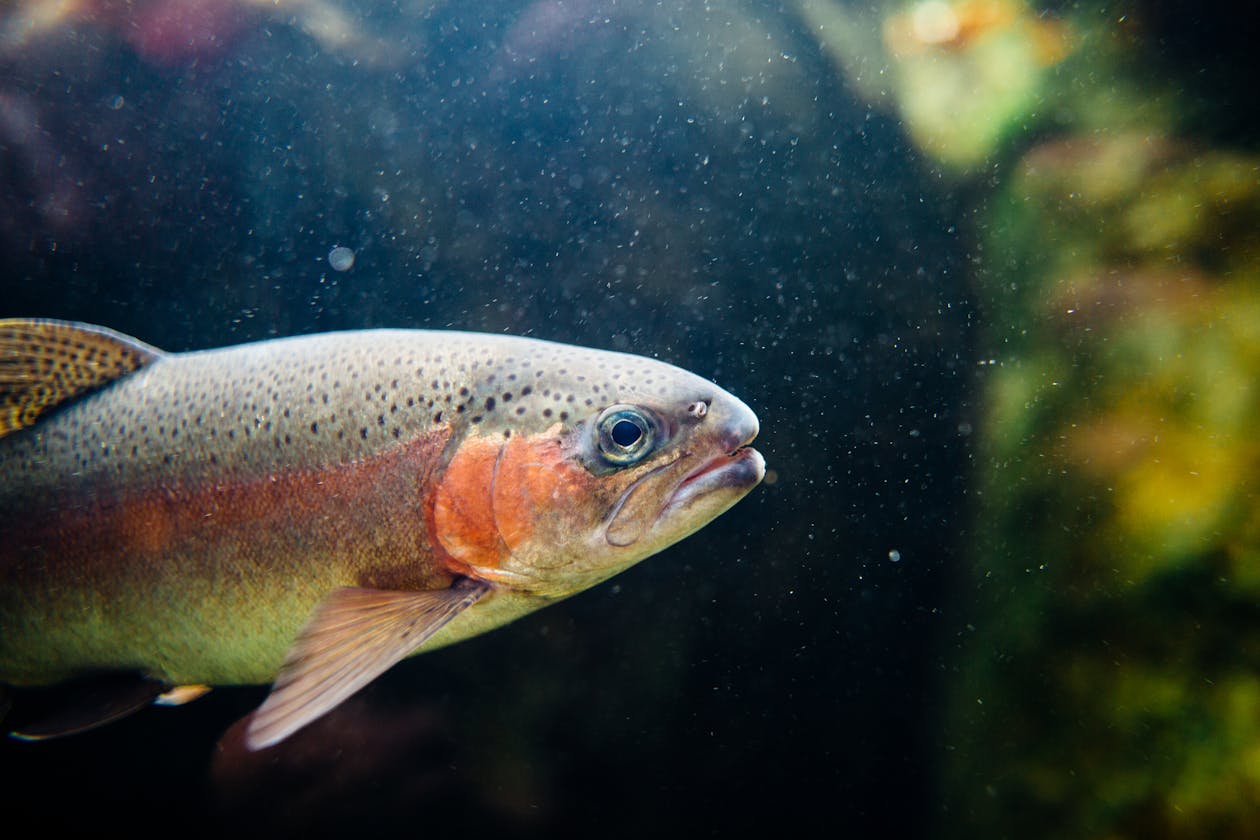
Rainbows are what you'll catch the most of. Period. They're aggressive, they're everywhere, and in spring? They're absolutely starving.
After months of cold water and limited feeding, these fish come out of winter like they haven't eaten in weeks. Because they haven't. Not really.
| Metric | Spring Rainbows |
|---|---|
| Average Size | 15-20 inches |
| Trophy Size | 20+ inches (common) |
| Best Water Temps | 45-55°F |
| Difficulty | Intermediate |
What's working right now: BWO nymphs (#18-20) are producing like crazy. San Juan Worms after rain. When the Mother's Day Caddis shows up in May, switch to tan caddis dries. Local shops are reporting the hatch has been arriving earlier the past few years.
2. Brown Trout: The Trophy Everyone Wants
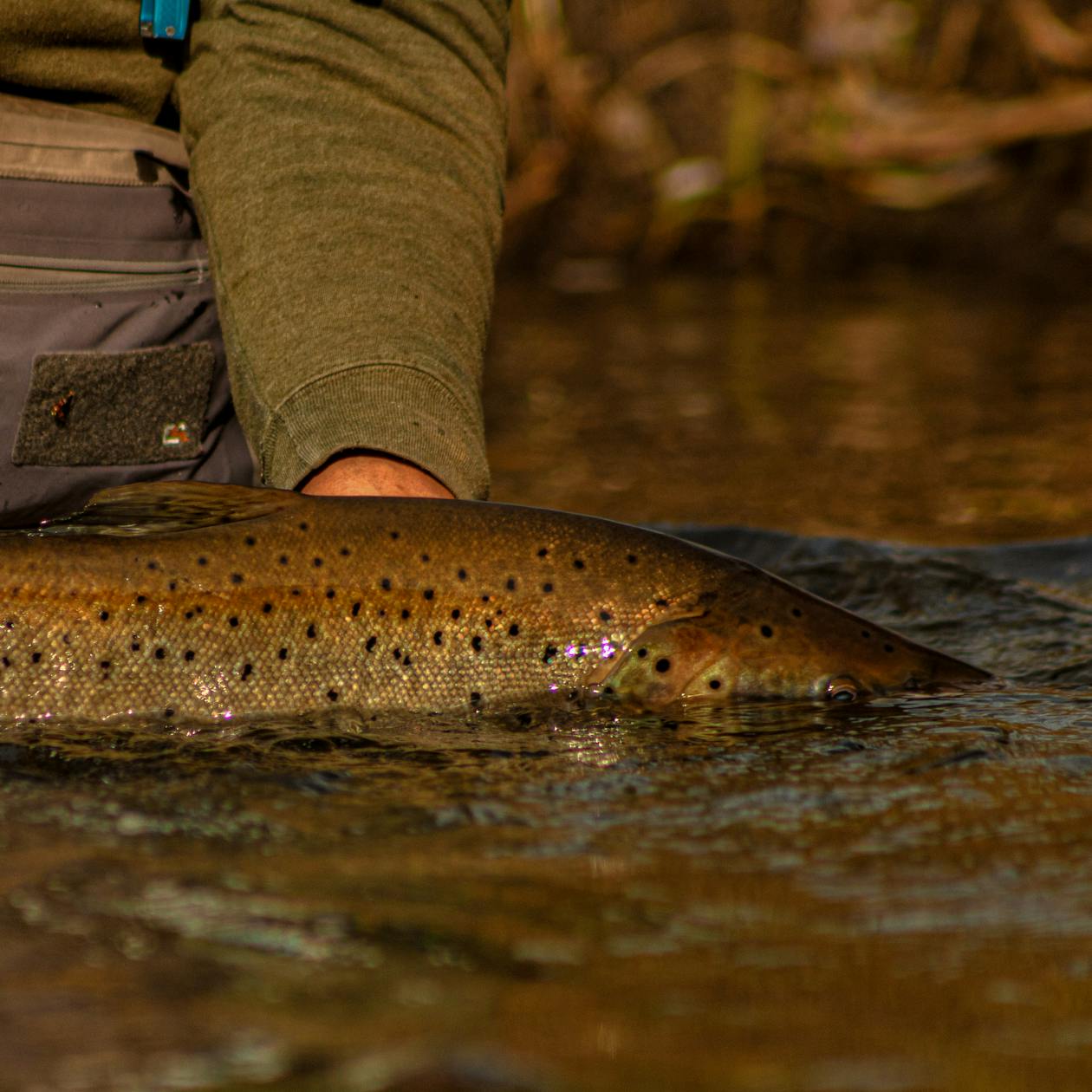
Browns are why people fly to Calgary from Germany, Australia, and everywhere in between. The Bow produces browns that rival any fishery on the planet.
But here's the thing: spring browns are a different animal than fall browns. They're not as aggressive, but they're not lockjawed either. They need calories after winter, they're just pickier about how they get them.
| Metric | Spring Browns |
|---|---|
| Average Size | 16-22 inches |
| Trophy Size | 24+ inches |
| Best Conditions | Overcast, early morning |
| Difficulty | Advanced |
Where they hide: Undercut banks. Submerged logs. The deepest pools you can find. Browns don't like being exposed.
What works: Streamers stripped slow along banks (Woolly Buggers, leeches). Nymphs fished deep. They'll eat dries during BWO hatches, but you need patience. Lots of it.
3. Rocky Mountain Whitefish: Don't Sleep on These
I know, I know. You didn't book a Bow River trip to catch whitefish.
But hear me out: whitefish are a blast on light tackle, they fight harder than people give them credit for, and most importantly, they tell you where the trout are.
Whitefish and trout share the same water. If you're hooking whitefish, keep casting. The trout are right there with them.
How to catch them: Small nymphs (#16-18) fished on the bottom. Hare's Ears, Pheasant Tails, midges. Nothing fancy.
4. Bull Trout: Handle With Care
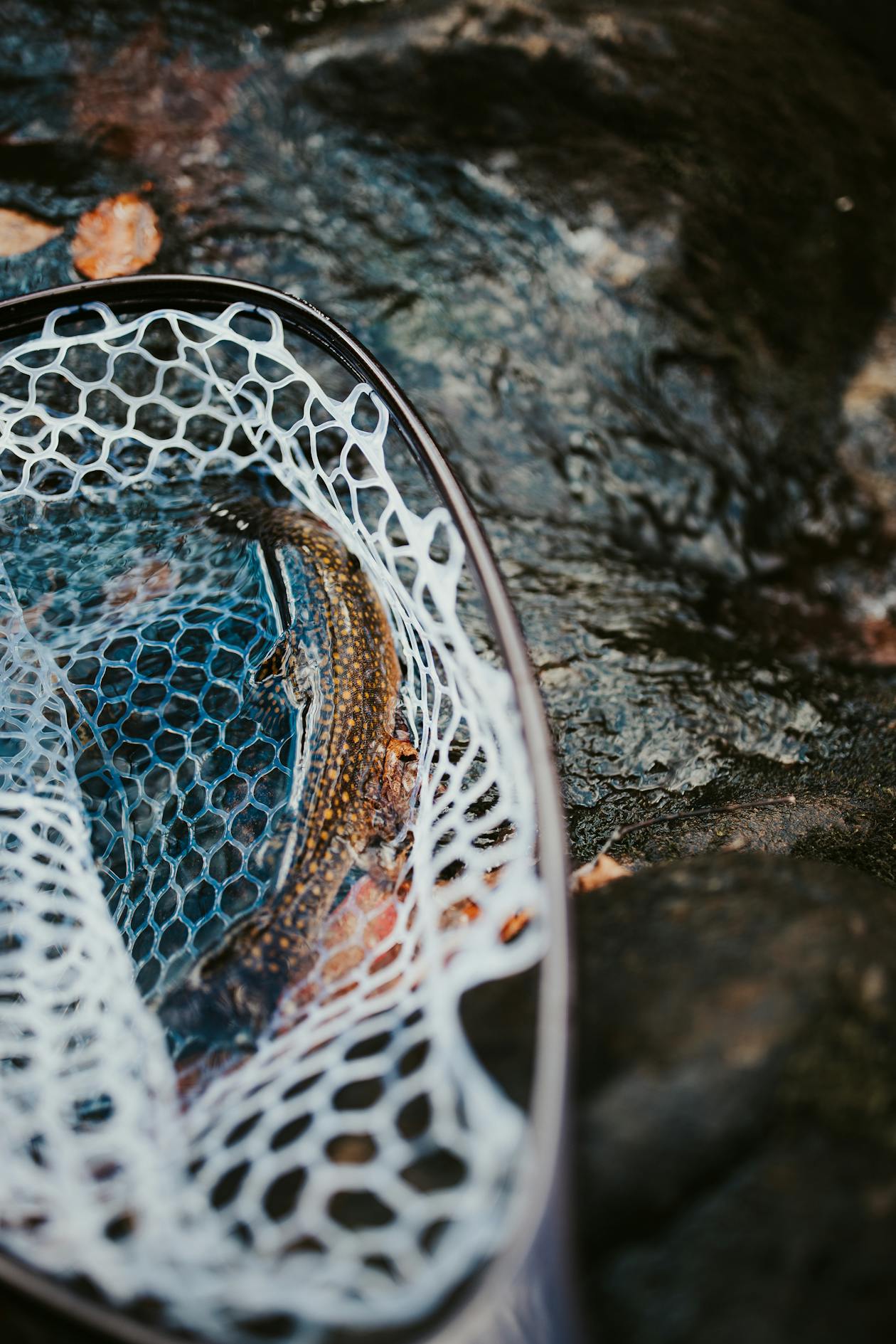
Bull trout are native to Alberta and they're protected. Strictly protected. If you catch one, keep it in the water, remove the hook fast, and let it go.
You might hook one while streamer fishing for browns. They're aggressive predators that chase baitfish and smaller trout.
5. Northern Pike: The Wildcard
Pike aren't common in the trophy trout sections. But they're out there, lurking in backwaters and side channels.
Hook a pike on a 5-weight trout rod and you're in for an adventure. They'll crush streamers meant for browns, and when they do, all bets are off.
If you get one: Enjoy the chaos. Watch your fingers (pike have teeth). Your guide will handle the unhooking.
Why Spring 2026 is the Move
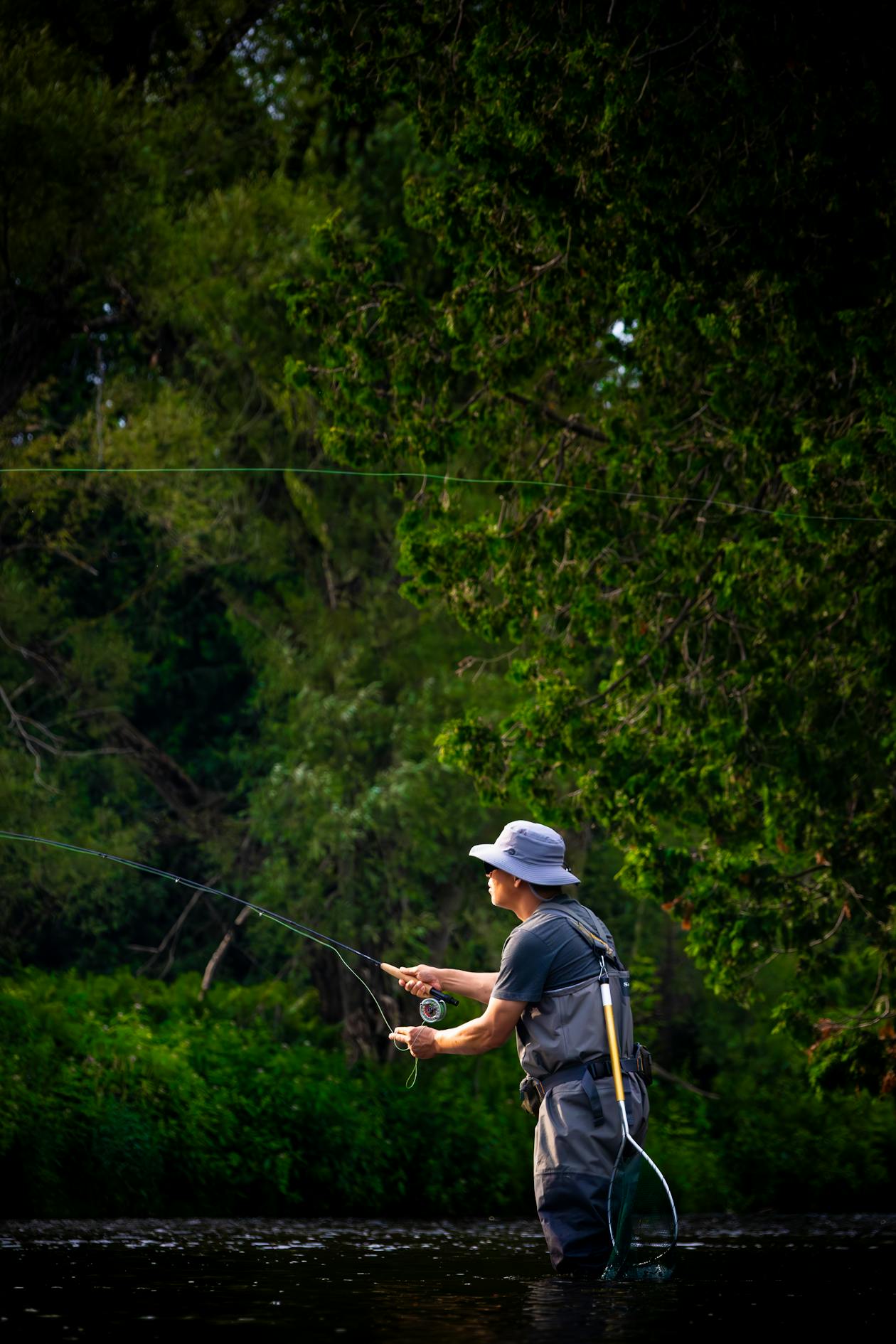
Most people think "Bow River" and picture summer crowds or fall brown trout. They're missing the best window of the year.
Spring Advantages
- Fish are concentrated in predictable holding water
- Hungry trout coming off winter
- Fewer boats on the river
- Mother's Day Caddis hatch (May) rivals any other season
- No time restrictions like summer heat closures
Current 2026 conditions: Early reports show healthy water flows and active fish. BWO hatches are already producing. Caddis and Stoneflies coming through April and May.
The window is 8 weeks. April through late May. Then runoff muddies everything until mid-June.
Spring dates fill faster than you'd think. Weekends book out weeks in advance.
Book Your Spring CharterReady to Experience This Yourself?
Book a guided trip and put these insights into practice on the water.
Book Your Trip