Why the Bow River?
The Bow River is one of the finest trout streams in North America. That's not marketing—it's what happens when you combine nutrient-rich tailwater flows, strict catch-and-release regulations, and a climate that grows trout fast.
The numbers tell the story: 3,000+ trout per mile in the best sections, with average fish pushing 19 inches. Compare that to most "good" trout rivers that hold 500-1,000 fish per mile at 12-14 inches average. The Bow is in a different league.
What makes it even better? It flows through Calgary. You can be fishing world-class water within 30 minutes of downtown. Try doing that in Montana or New Zealand.
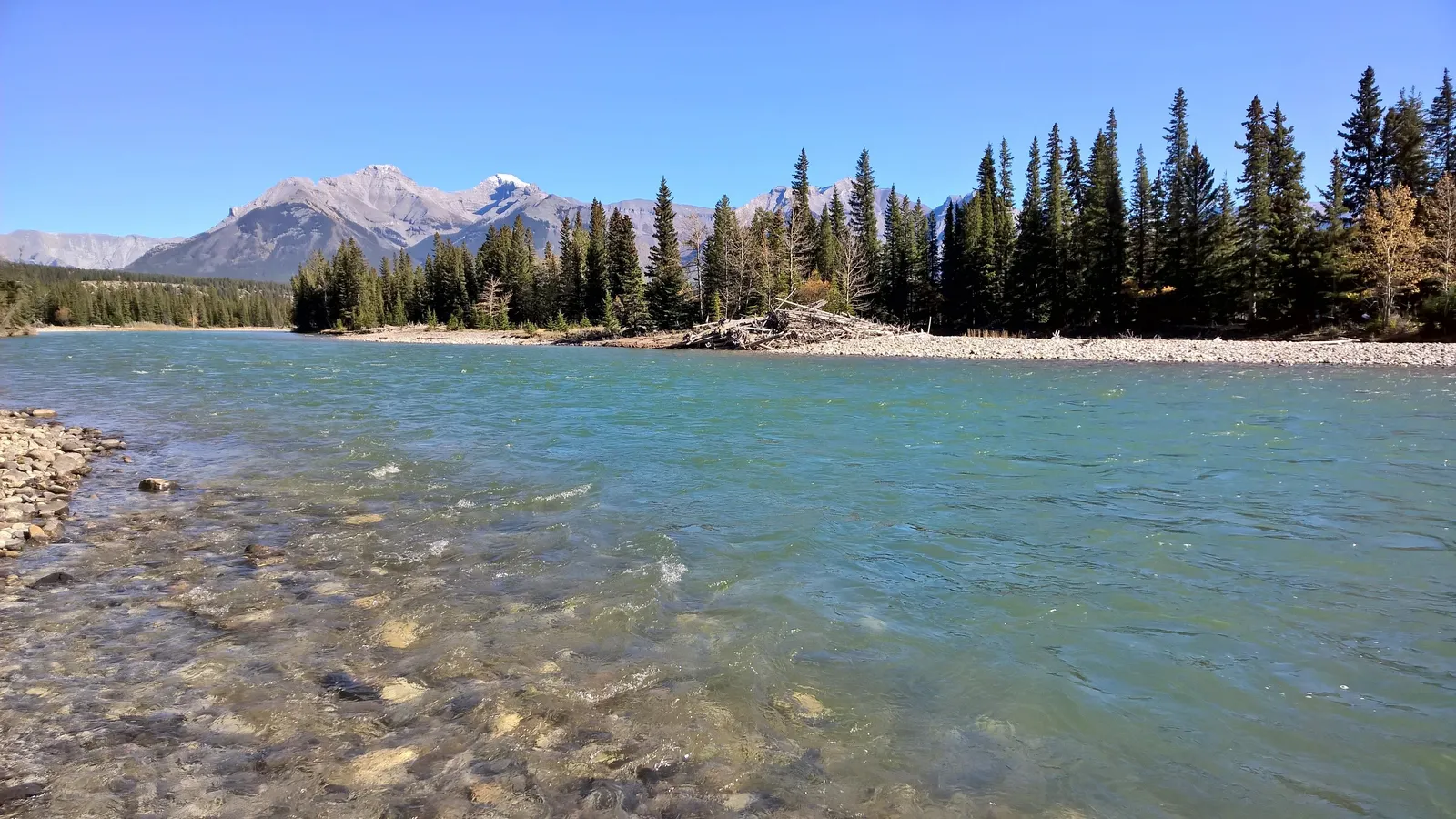
The Bow River—world-class trout fishing just outside Calgary
What You'll Catch
The Bow holds three primary species:
- Brown Trout: The Bow's bruisers. Average 16-22", with fish over 24" caught regularly. Peak season is fall when they turn aggressive before spawning.
- Rainbow Trout: Acrobatic fighters averaging 15-20". They're most active during summer hatches and love dry flies.
- Rocky Mountain Whitefish: Often overlooked but excellent sport on light tackle. Great for beginners learning nymphing techniques.
Fly Fishing Techniques for the Bow
The Bow rewards anglers who can adapt. Different conditions call for different approaches. Here are the three techniques you need to master:
Nymphing
The most productive technique on the Bow year-round. Trout feed subsurface 80-90% of the time, making nymphing your bread and butter.
- Dead drift is critical—no drag
- Adjust depth constantly (weight or indicator position)
- Fish the seams between fast and slow water
- Watch for subtle takes—set on anything unusual
Dry Fly
When trout are rising, there's nothing more exciting than sight-fishing with dries. The Bow has prolific hatches from May through October.
- Match the hatch—observe what's on the water
- Long leaders (12-15') for spooky fish
- Upstream presentations with drag-free drift
- Don't false cast over rising fish
Streamer Fishing
Targeting aggressive, predatory trout with baitfish imitations. This is how you catch the biggest browns on the Bow.
- Strip, pause, strip—vary your retrieve
- Fish tight to banks and structure
- Cloudy days and low light are best
- Use stout tippet (2X-3X) for big fish
Hatches & Fly Selection
The Bow has excellent insect populations that keep trout feeding actively. Understanding the major hatches helps you choose the right flies at the right time.
| Hatch | When | Matching Flies |
|---|---|---|
| Midges | Year-round | Zebra Midge, Griffith's Gnat |
| Blue-Winged Olives | April-May, Sept-Oct | Parachute BWO, RS2, Pheasant Tail |
| Mother's Day Caddis | May | Elk Hair Caddis, X-Caddis |
| Golden Stoneflies | June-July | Stimulator, Pat's Rubber Legs |
| PMDs (Pale Morning Duns) | June-August | Sparkle Dun, Parachute Adams |
| Yellow Sallies | July-August | Yellow Sally, Stimulator |
| October Caddis | September-October | Orange Stimulator, October Caddis |
Pro tip: When in doubt, a Pheasant Tail nymph or Elk Hair Caddis will catch fish on the Bow almost any day of the year. Start there and adjust based on what you see.
Skip the Learning Curve
A guided trip puts you on fish immediately while learning techniques that take years to develop solo. All equipment included.
Book a GuideSeasonal Fly Fishing Guide
The Bow fishes differently throughout the year. Here's what to expect each season:
Spring (April-May)
Tip: Fish slower water as trout conserve energy. The Mother's Day Caddis hatch in May is legendary.
Summer (June-August)
Tip: Early morning and evening produce best dry fly action. Midday can be slow in July heat.
Fall (September-October)
Tip: Trophy brown trout season. Fish big streamers and don't be afraid to go deep.
Where to Fly Fish the Bow River
The Bow offers 50+ miles of fishable water, from mountain sections above Calgary to prairie stretches downstream. Here's how the major sections break down:
Upper Bow (Banff to Cochrane)
Mountain scenery, colder water, excellent early season fishing. More technical fishing with generally smaller (but still respectable) fish.
Calgary Section
Urban convenience with world-class fishing. The tailwater below Bearspaw Dam is nutrient-rich with huge fish densities. Best access for wade fishing.
Lower Bow (Below Calgary)
Less pressure, bigger water, trophy brown trout territory. Prairie scenery. Most sections require boat access for best fishing.
Boat Access Only
The best runs get little pressure because they're only accessible by drift boat. Guided floats cover 10-15 miles in a day, fishing water wade anglers never touch.
Gear Recommendations
You don't need a fortune in gear to fly fish the Bow, but having the right setup makes a difference. Here's what works:
| Item | Recommendation | Notes |
|---|---|---|
| Rod | 5-weight, 9' | 6-weight for wind/streamers |
| Line | Weight-forward floating | Sink-tip for deep streamers |
| Leader | 9' tapered, 4X-5X | 12-15' for spooky fish |
| Tippet | 4X-5X fluorocarbon | 2X-3X for streamers |
| Waders | Breathable chest waders | Felt or rubber sole boots |
Guided trips include all equipment—rod, reel, waders, boots, flies, everything. You don't need to own any gear to get started.
Guided vs DIY Fly Fishing
Should you hire a guide or figure it out yourself? Honest answer: it depends on your situation.
| Factor | Guided | DIY |
|---|---|---|
| Cost | $525-750/day | $0 (after gear investment) |
| Learning Curve | Accelerated (coaching) | Years of trial and error |
| Water Access | 10-15 miles by boat | Walk-in spots only |
| Equipment | All provided | $2,000+ to get started |
| Fish Caught | Typically 2-3x more | Variable |
| Best For | Visitors, beginners, limited time | Locals who fish 50+ days/year |
Our take: If you're visiting Calgary, new to fly fishing, or want to maximize limited time, a guide is worth every penny. If you're a local who can put in the hours to learn, DIY becomes more practical over time.
Frequently Asked Questions
Is the Bow River good for fly fishing?
The Bow is one of the best fly fishing rivers in North America. With 3,000+ trout per mile, 19-inch average fish size, and consistent hatches from April through October, it's a world-class destination that happens to flow through a major city.
What is the best time of year to fly fish the Bow River?
June through August offers the most consistent fishing with prolific hatches and warm weather. However, September-October is prime time for trophy brown trout. April-May has fewer crowds and excellent nymphing. There's no bad time during the open season.
Can beginners fly fish the Bow River?
Absolutely. The Bow's high fish density means beginners get constant opportunities to practice. That said, hiring a guide for your first few trips accelerates learning dramatically. The fish are forgiving, but the techniques take time to master.
What flies work best on the Bow River?
Essential patterns include: Pheasant Tail nymphs, San Juan Worms, Pat's Rubber Legs (nymphing); Elk Hair Caddis, Parachute Adams, Stimulators (dry fly); and Woolly Buggers, Sculpins (streamers). Match the hatch when fish are rising.
Do I need a drift boat to fly fish the Bow?
No, but it helps significantly. Wade fishing is productive at public access points, but a drift boat lets you cover 10-15 miles and access water that gets far less pressure. The best runs are often boat-access only.
What size trout can I expect on the Bow River?
Average rainbow trout run 15-20 inches, average browns 16-22 inches. Trophy fish (24"+) are caught regularly, especially during fall streamer season. The Bow is known for quantity AND quality.
Is the Bow River catch and release?
Yes, most sections are catch-and-release only for trout. Alberta regulations protect this world-class fishery. All guided trips practice catch and release regardless of regulations.
What weight fly rod should I use on the Bow?
A 5-weight is the standard all-around choice. Bring a 6-weight for windy days and streamer fishing. Some anglers use 4-weight for delicate dry fly work. 9-foot rods are standard length.
Continue Learning
Ready to Fish the Bow?
King Trout Outfitters offers guided fly fishing trips with Calgary's most experienced local guides. All equipment included, beginners welcome.