How to Use This Chart
- Months are approximate — Weather shifts everything by days or weeks
- Water temp triggers activity — We include temperature thresholds
- Time of day matters — Morning vs evening hatches differ
- Multiple hatches overlap — Be ready to switch patterns
The Big Picture: Hatch Calendar
| Month | Primary Hatches | Best Approach |
|---|---|---|
| April | Midges, early BWOs | Nymph, occasional dry |
| May | Skwala stones, BWOs, early caddis | Dry fly starts |
| June | Golden stones, caddis, PMDs | Prime dry fly |
| July | PMDs, caddis, Tricos, terrestrials | Best dry fly month |
| August | Tricos, hoppers, caddis, ants | Technical dry fly |
| September | BWOs return, caddis, terrestrials | Fall dry fly |
| October | Late BWOs, midges | Nymph heavy, some dry |
Spring Hatches (April-May)
Blue-Winged Olives (BWO)
Scientific name: Baetis
Active months: April-May, September-October
Peak time: 11am - 3pm (overcast days best)
Water temp trigger: 45°F+
Hook sizes: 18-22
Matching Patterns:
- Nymph: Pheasant Tail, RS2
- Emerger: Sparkle Dun, Quigley Cripple
- Dry: Parachute BWO, Comparadun
Guide tip: Cloudy days make BWOs pop. If its sunny, fish will be nymphing.
Skwala Stoneflies
Active months: Late April - mid May
Peak time: 10am - 4pm
Water temp trigger: 46°F+
Hook sizes: 8-12
Matching Patterns:
- Nymph: Pats Rubber Legs, Skwala Nymph
- Dry: Skwala Dry, Chubby Chernobyl
Guide tip: First big bug of the year. Fish get excited because theyve been eating tiny stuff all winter.
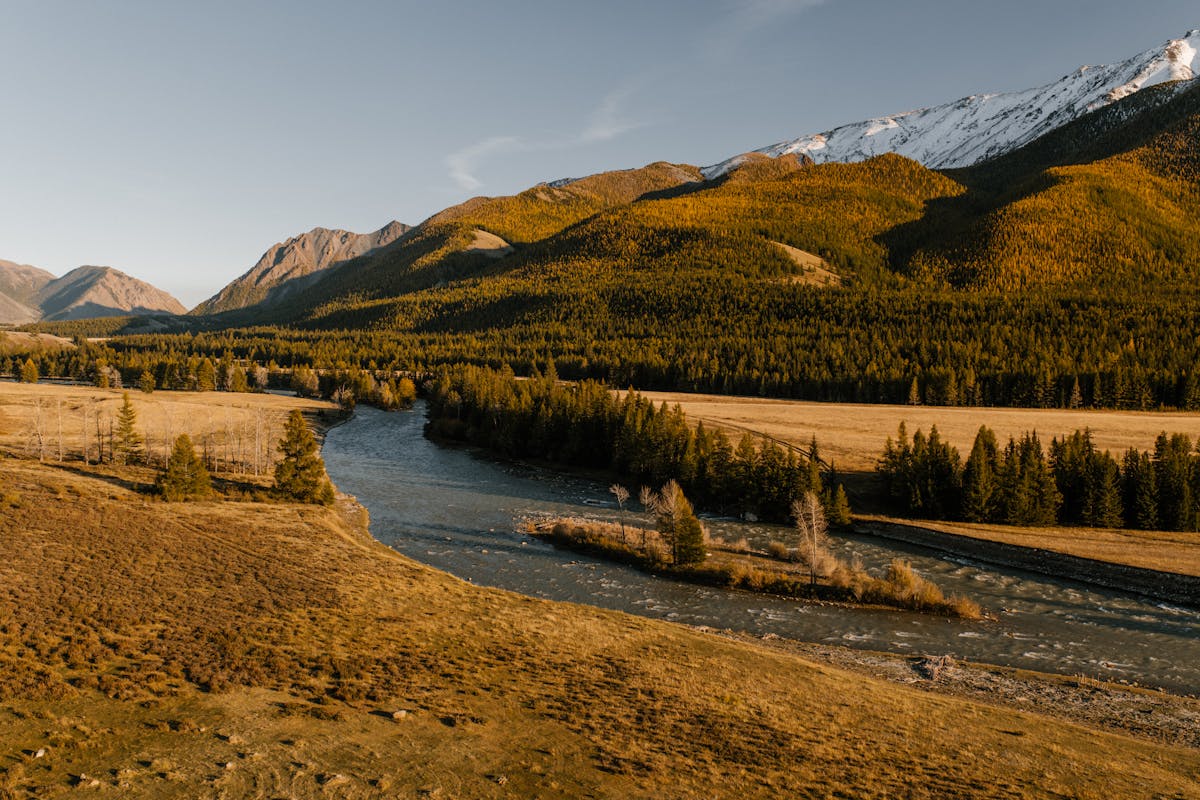
When the hatch comes off, be ready. Fish get selective fast.
Summer Hatches (June-August)
Golden Stoneflies
Active months: June - early July
Peak time: Late morning - afternoon
Water temp trigger: 50°F+
Hook sizes: 6-10
Matching Patterns:
- Nymph: Golden Stone Nymph, Pats Rubber Legs (gold)
- Dry: Yellow Stimulator, Golden Stone Dry
Guide tip: Junes signature hatch. Big flies, aggressive takes. Dont be subtle.
Caddisflies
Active months: May - September (peaks June-July)
Peak time: Evening (6pm - dark)
Water temp trigger: 55°F+
Hook sizes: 14-18
Matching Patterns:
- Pupa: Sparkle Caddis Pupa, LaFontaine Deep Pupa
- Emerger: X-Caddis, CDC Caddis
- Dry: Elk Hair Caddis, Goddard Caddis
Guide tip: July evenings can be insane. Caddis everywhere, fish eating everything. Best time for beginners to experience dry fly.
Pale Morning Duns (PMD)
Active months: June - August
Peak time: 9am - 1pm
Water temp trigger: 55°F+
Hook sizes: 16-18
Matching Patterns:
- Nymph: Pheasant Tail, PMD Nymph
- Emerger: PMD Sparkle Dun
- Dry: Parachute PMD, Compara-dun
Guide tip: The reliable summer mayfly. When PMDs are coming off, find a pod of rising fish and stay put.
Terrestrials (Hoppers, Ants, Beetles)
Active months: July - September
Peak time: 10am - 5pm
Water temp trigger: 60°F+
Hook sizes: 8-16
Matching Patterns:
- Hopper: Daves Hopper, Chernobyl Ant, Parachute Hopper
- Ant: Flying Ant, Cinnamon Ant
- Beetle: Foam Beetle, Chernobyl Beetle
Guide tip: Augusts saving grace. When hatches get technical, slap a hopper against the bank. Fish slam them.
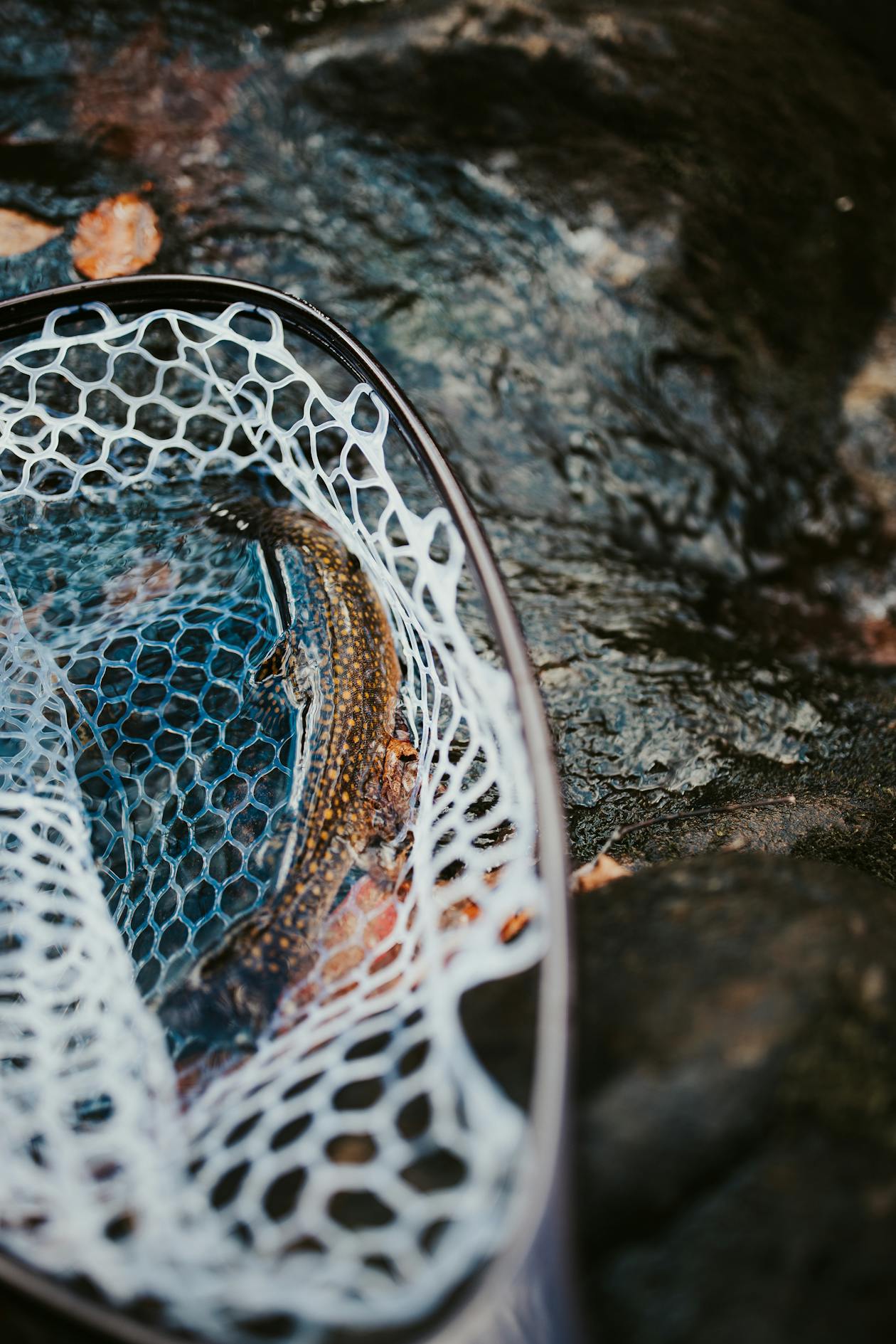
When the hatch is on, every cast counts.
Fall Hatches (September-October)
Fall BWOs (Blue-Winged Olives)
Active months: September - October
Peak time: 11am - 3pm
Water temp trigger: 50°F+ (fish more active below 55°F)
Hook sizes: 18-22
Matching Patterns: Same as spring: Parachute BWO, Sparkle Dun, RS2
Guide tip: BWOs come back strong in fall. Cloudy, drizzly days are prime. Some of our best dry fly fishing.
October Caddis
Active months: Late September - October
Peak time: Afternoon
Water temp trigger: 50°F+
Hook sizes: 8-12
Matching Patterns: Orange Stimulator, October Caddis
Guide tip: Big orange caddis. Not as prolific as summer hatches, but fish are aggressive. Good searching pattern.
Hatch Chart Quick Reference
| Insect | Apr | May | Jun | Jul | Aug | Sep | Oct | Size |
|---|---|---|---|---|---|---|---|---|
| Midges | ●●● | ●● | ● | ● | ● | ●● | ●●● | 18-24 |
| BWO | ●● | ●●● | ● | - | - | ●●● | ●● | 18-22 |
| Skwala | ● | ●●● | - | - | - | - | - | 8-12 |
| Golden Stone | - | ● | ●●● | ● | - | - | - | 6-10 |
| Caddis | - | ●● | ●●● | ●●● | ●● | ●● | ● | 14-18 |
| PMD | - | - | ●●● | ●●● | ●● | - | - | 16-18 |
| Trico | - | - | - | ●● | ●●● | ●● | - | 20-24 |
| Terrestrials | - | - | - | ●● | ●●● | ●● | - | 8-16 |
| Oct. Caddis | - | - | - | - | - | ● | ●●● | 8-12 |
●●● = Peak ●● = Good ● = Present - = Absent
Water Temperature Guide
| Water Temp | Whats Happening |
|---|---|
| 38-42°F | Fish sluggish, nymph deep, midges only |
| 42-48°F | Activity building, BWO/Skwala emerging |
| 48-55°F | Prime temps, most hatches active |
| 55-65°F | Peak activity, all hatches, fish aggressive |
| 65-68°F | Getting warm, morning/evening fishing |
| 68°F+ | Stress zone, fish early or not at all |
Hatch Chart FAQ
What is a hatch chart?
A calendar showing when specific insects emerge and what fly patterns to use. Based on years of on-water observation. Helps you match the hatch for better fishing.
What are the main insect types for fly fishing?
Mayflies, caddisflies, stoneflies, and midges. Each has different timing, behavior, and matching patterns. Knowing which is active helps you select the right fly.
What does matching the hatch mean?
Selecting flies that look like the insects currently hatching. When trout key on specific bugs during active hatches, matching size, shape, and color dramatically improves catch rates.
When is the best hatch on the Bow River?
Golden stoneflies in early July and evening caddis hatches June through August are the biggest. The Skwala hatch in May is the most anticipated after winter.
Do hatches happen at the same time every year?
Approximately. Weather shifts timing by days or weeks. Water temperature is the main trigger. A warm spring means earlier hatches. Cold spring delays them.
How do I know whats hatching?
Look at the water surface for floating insects. Check spider webs near the river for trapped bugs. Watch for rising fish. Or ask your guide.
Fish the Hatch with Us
Time your trip to match peak hatches. We know when and where the fish will be rising.
Book Your Trip