I get it. Your first guided trip can feel intimidating. What if you're terrible? What if you do something embarrassing? Relax. We've helped hundreds of first-timers, and this guide will make sure you show up ready to have fun (and catch fish).
Still on the fence about booking? Our complete guide to Bow River fishing guides covers costs, what's included, and how to pick the right outfitter for you.
Why Beginners Should Hire a Guide
Heres something that surprises people: guides actually prefer beginners. No bad habits to unlearn. Youre a blank slate, and thats exciting. Still feel weird about it? Here's the reality:
- Guides love teaching. Helping someone catch their first fish is genuinely rewarding.
- You'll catch fish. A guide puts you in the right spots with the right flies. DIY beginners often struggle for months.
- No gear to buy. Dropping $800 on a rod setup before you even know if you like this? Bad idea. We bring everything.
- Skip the YouTube rabbit hole. One day on the water with a guide teaches more than weeks of watching videos on your couch.
"My first trip ruined me—in the best way possible. I was hooked before lunch. Bought my own gear that weekend and haven't shut up about fly fishing since." — First-timer, now regular client
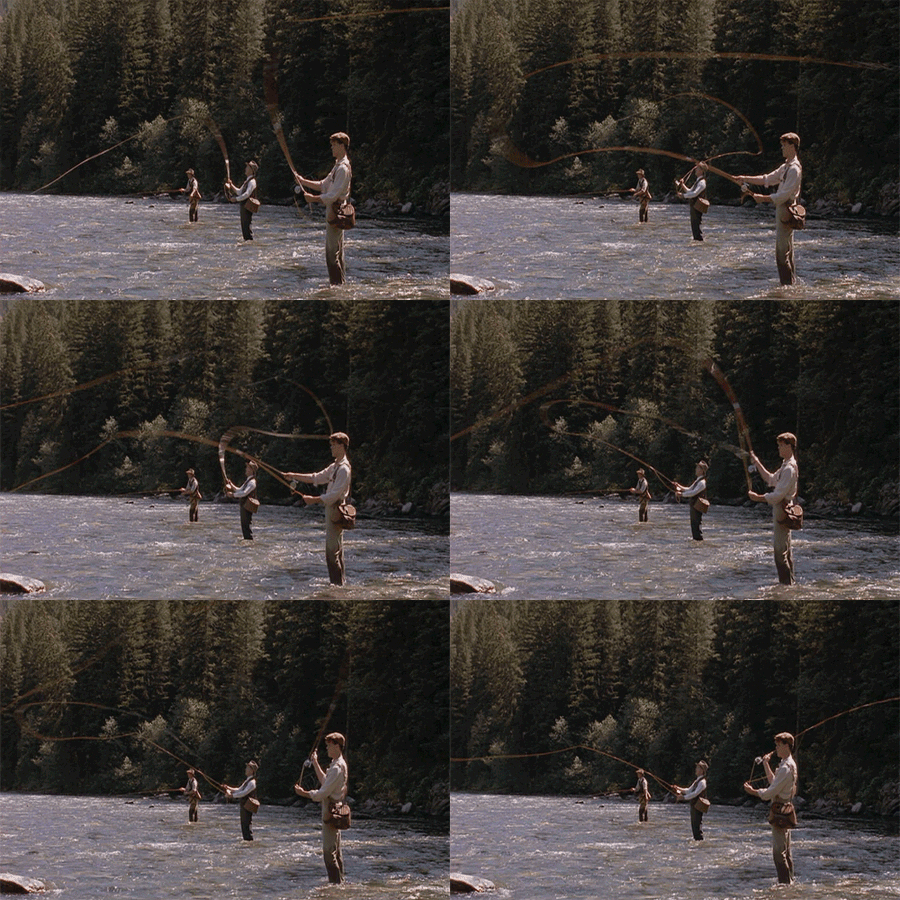
What to Wear
We've got your waders and boots covered. But what you wear underneath? That's on you—and it matters more than you'd think:
- Layers are key. Mornings are cold, afternoons warm. You'll peel layers off throughout the day.
- No jeans. Seriously. Cotton gets clammy fast under waders. Wear synthetic or lightweight wool—your legs will thank you around hour six.
- Wool socks. Your feet are in neoprene boots all day. Wool prevents blisters and keeps feet comfortable.
- Sun protection. Long sleeves, hat with brim, sunglasses. River glare is intense.
What to Bring
Required
- • Alberta fishing license (we can help you get one)
- • Government-issued ID
- • Signed liability waiver (provided day-of)
Clothing
- • Layers for changing weather
- • Long-sleeved shirt (sun protection)
- • Quick-dry pants (not jeans)
- • Warm fleece or jacket
- • Rain jacket (just in case)
Personal Items
- • Sunscreen SPF 30+ (river glare is brutal)
- • Lip balm with SPF
- • Polarized sunglasses (essential for seeing fish)
- • Hat with brim
- • Camera or phone for fish photos
Optional
- • Snacks you prefer (we provide lunch on full-day trips)
- • Prescription medications
- • Cash for tip (15-20% is customary)
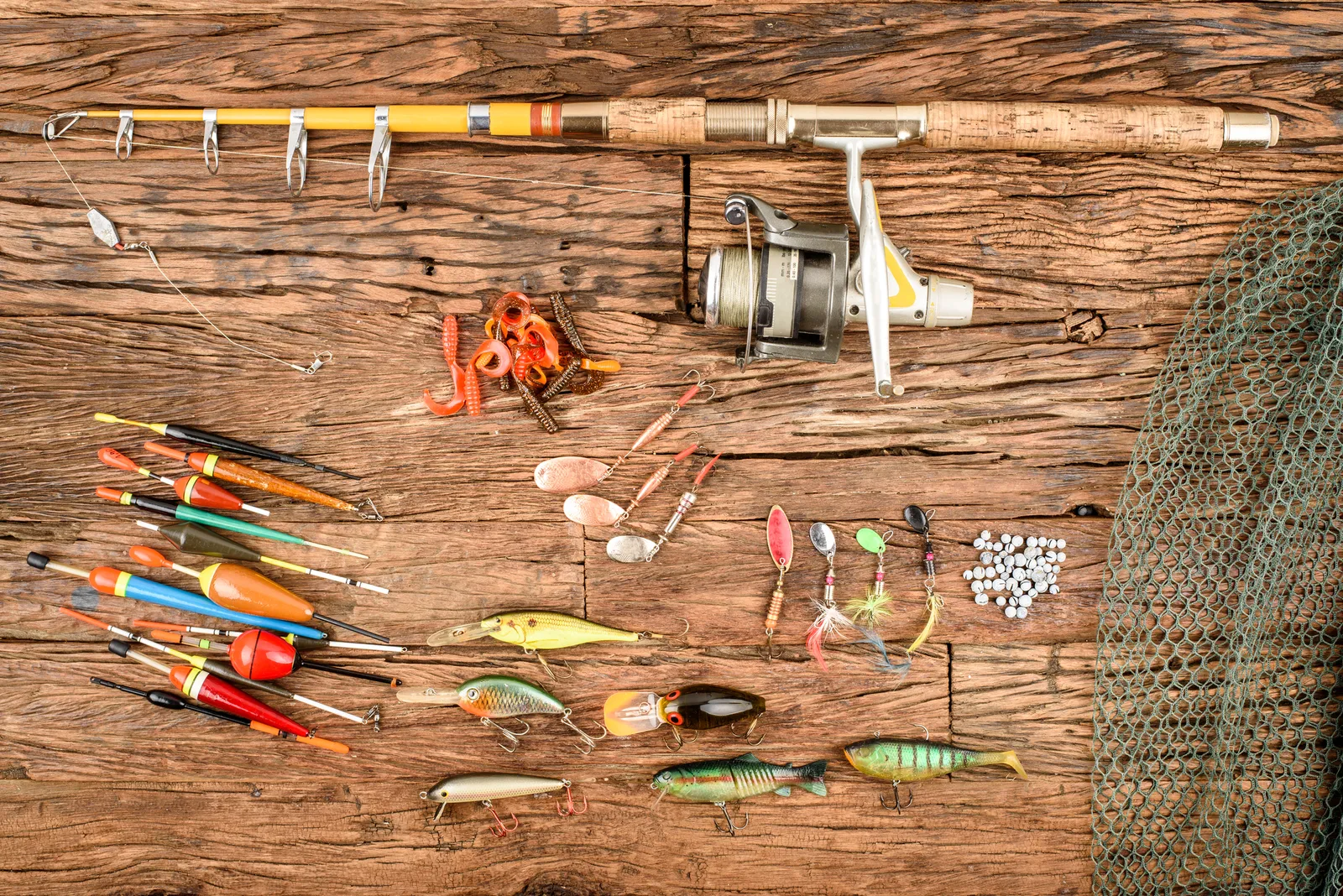
We bring all the gear—you just show up
The Day Before Your Trip
A little prep the night before goes a long way. Here's your checklist:
- Get your fishing license. Available online at Alberta Environment and Parks. Takes 10 minutes. Your guide can help if needed.
- Confirm pickup time and location. Your guide will contact you with final details.
- Check the weather. Not to decide if you're going (you are), but to pack appropriate layers.
- Actually sleep. I know you're excited, but you're about to spend 8 hours doing something new. Being well-rested beats showing up exhausted and frustrated.
- Charge your phone/camera. You'll want photos of that first fish.
Morning of Your Trip
Early bird gets the trout. Your guide picks you up around 6:30-7:30 AM for full-day trips (later for half-days). Here's how the morning unfolds:
- Lobby pickup. Your guide meets you at your hotel. Easy.
- Drive to the river. 30-45 minutes depending on the section. Good time to talk about your experience level.
- Gear up. Your guide fits you for waders and boots, sets up your rod, selects flies.
- Quick casting lesson. If you're new, you'll practice on the bank before pushing off.
- Hit the water. Then it's fishing time.
For the full hour-by-hour breakdown, see What to Expect on a Guided Trip.
What Your Guide Will Teach You
Sure, your guide's job is to put you on fish. But the best part? You'll leave knowing things you didn't know that morning:
- Casting mechanics. How to load the rod, timing, avoiding common mistakes.
- Mending line. How to control your fly's drift for a natural presentation.
- Reading water. That rock? Fish behind it. That seam between fast and slow water? Fish city. You'll start seeing the river differently.
- Strike detection. Recognizing bites, especially with nymphs.
- Fish handling. How to land, hold, and release trout safely.
Tips for Beginners
Listen more than you talk
Your guide knows every rock, every seam, every trout hangout on this river. When they say "cast there," don't overthink it—just cast there.
Relax your grip
Every beginner chokes the rod like their life depends on it. Loosen up. Light grip, let the rod do the work. By lunch your forearm will thank you.
Ask questions
"Why that fly?" "Why here?" Guides love explaining their craft. You'll learn more by asking.
Pace yourself
Eight hours is a marathon, not a sprint. Drink water. Eat snacks. Sit down for five minutes. Tired anglers miss fish.
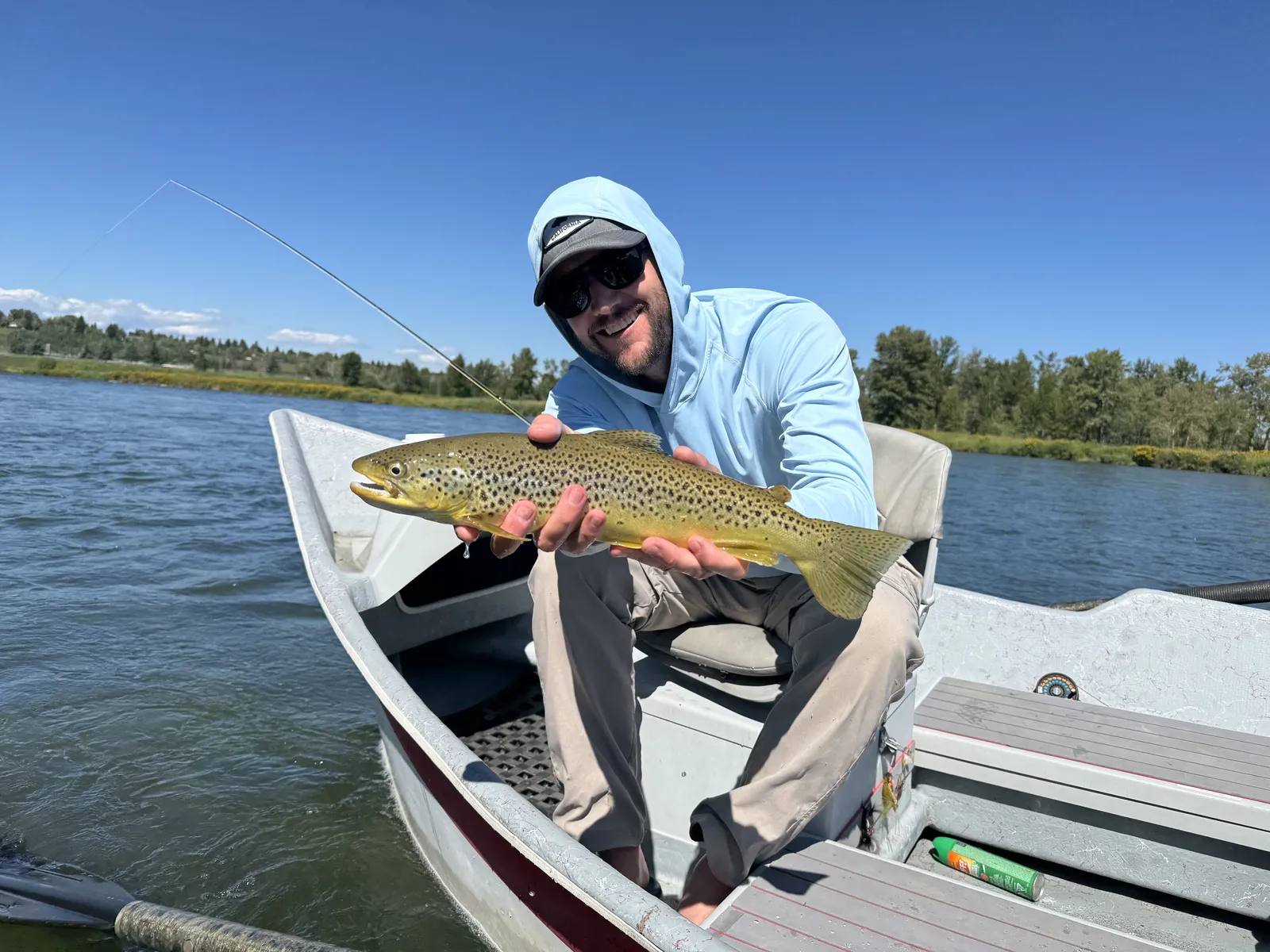
First-timer, first fish—this happens more than you'd think
Common Beginner Concerns
"What if I'm terrible?"
You will be terrible. Everyone is. I've seen guys hook their own hats. I've seen people fall in (not dangerous, just funny). Your guide has seen every possible mistake and expects exactly zero perfection from you. We're here to help, not judge.
"What if I lose flies or break something?"
You will lose flies. Lots of them. Trees, rocks, that one fish that got away—flies get lost constantly. We bring dozens. And if you somehow snap a rod tip (it happens), don't panic. Covered.
"What if I need to use the bathroom?"
Lets address this because everyone wonders but nobody wants to ask: there are no bathrooms on the river. We pull over onto gravel bars, find some bushes, and nature calls get answered. Bring toilet paper in a ziplock. Everyone does it. Nobody cares.
Frequently Asked Questions
Do I need any fishing experience?
None at all. Complete beginners are welcome. Your guide will teach you casting, mending, reading water, and fish handling. Most beginners catch fish on their first trip.
What if I've never cast a fly rod?
Your guide will give you a casting lesson before you push off. The Bow River is forgiving—short casts are often all you need. You'll improve throughout the day.
What equipment do I need to bring?
Just your fishing license and personal items. We provide everything else: rods, reels, flies, waders, boots, and rain gear if needed.
How physically demanding is it?
Float trips are very accessible. You sit in the drift boat most of the day. Some walking on gravel bars during lunch. No hiking required.
What if I don't catch anything?
The Bow River has 3,000+ trout per mile. Catching fish is very likely, especially with a guide positioning you correctly. Even slow days usually produce fish.
Is fly fishing hard to learn?
The basics are easier than people think. You'll be making fishable casts within an hour. Mastery takes years, but catching fish? That happens day one.
What if I get motion sick?
Drift boats move slowly with the current—very different from ocean fishing. Motion sickness is rare. If you're prone to it, take preventive medication beforehand.
Can I bring my spouse/friend who doesn't fish?
Yes, non-fishing companions can join for an additional fee. They'll enjoy the scenery while you fish. Great for couples where one person is learning.
Ready for Your First Trip?
Everyone starts somewhere. Book with us and we'll make your first trip unforgettable.
Book Your First TripRelated Guides
Complete Guide to Bow River Fishing Guides
Everything about hiring a guide—costs, what's included, how to choose.
What to Expect Hour by Hour
Detailed timeline of a guided trip day.
Guide Pricing Breakdown
What you'll pay and what's included.
Half-Day vs Full-Day Trips
Which trip length is right for beginners?