Why Nymphing Dominates on the Bow
The math is simple: trout eat 90% of their food below the surface. Nymphing lets you fish where the fish are actually feeding, not just where you hope theyre looking up.
Most of the day, nothing is hatching. Nymphs catch fish between hatches.
Sometimes trout see the hatch but wont come up. Theyre eating emergers and nymphs below.
Even on dry fly days, nymphs are our backup. When surface action slows, we drop a nymph and keep catching fish.
The Patterns We Actually Fish
Year-Round Essentials (Always in the Box)
| Pattern | Size | When | Why |
|---|---|---|---|
| Pheasant Tail | 14-18 | All season | Mayfly match, universal producer |
| Hares Ear | 12-16 | All season | Buggy profile, caddis/mayfly |
| Rainbow Warrior | 16-20 | All season | Attractor with flash |
| Zebra Midge | 18-22 | All season | Midge larvae/pupa |
| Pats Rubber Legs | 6-10 | All season | Stonefly, great point fly |
| San Juan Worm | 10-14 | All season | Works in high/dirty water |
Spring Patterns (April-May)
- Skwala Nymph (8-10) — Big stonefly, first real protein of the year
- BWO Emerger (18-20) — Baetis hatch, especially cloudy days
- Soft Hackle Pheasant Tail (14-16) — Emerging mayflies
- Midge Cluster (18-20) — Cold water activity
Summer Patterns (June-August)
- PMD Nymph (16-18) — Pale morning dun larvae
- Caddis Pupa (14-16) — Active summer hatches
- Golden Stone Nymph (6-8) — June signature hatch
- Yellow Sally Nymph (14-16) — Summer stonefly
- Drowned Ant (14-16) — Terrestrial season
Fall Patterns (September-October)
- Egg Pattern (12-14) — Brown spawn, fish eat eggs
- Flashback Pheasant Tail (14-16) — BWO season returns
- Olive Soft Hackle (14-16) — Emerger pattern
- Sculpin Nymph (6-8) — Larger profile for aggressive fish
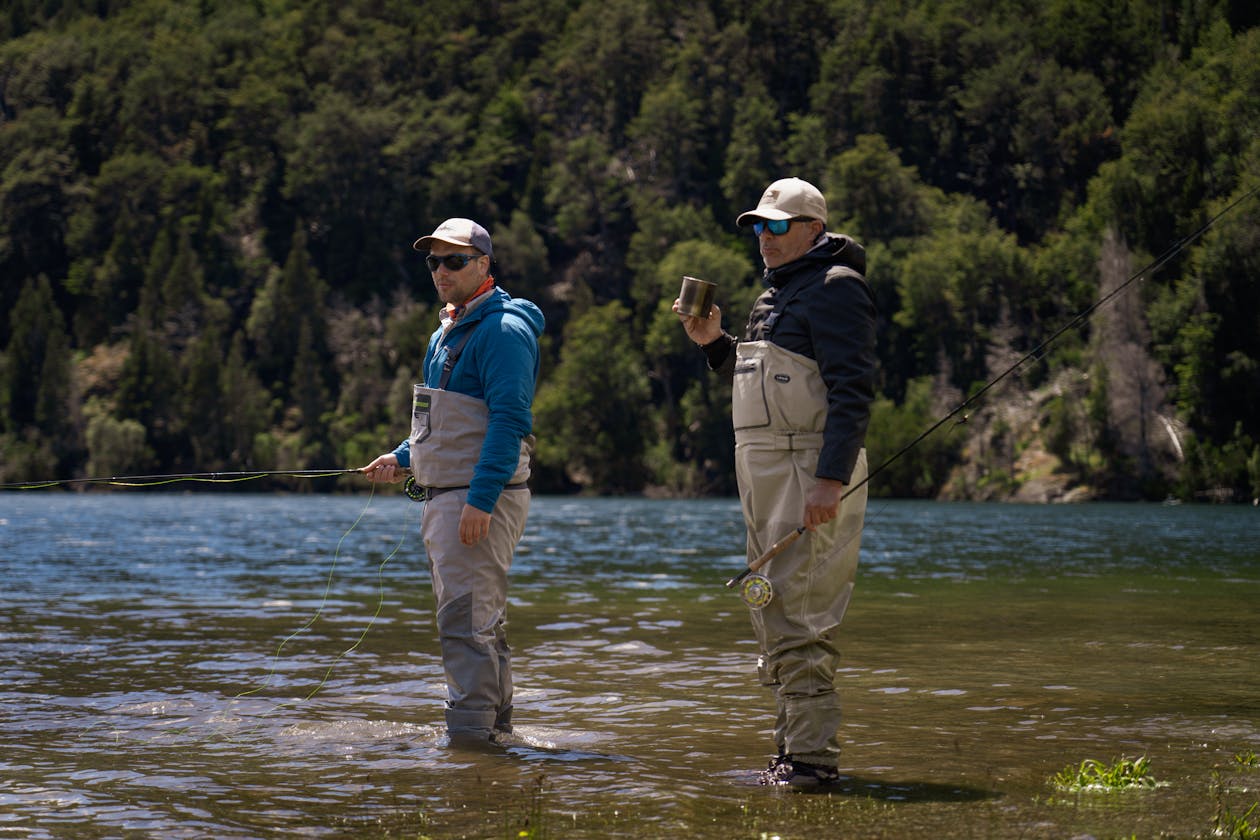
Reading the water, watching the indicator. Nymphing is active, focused fishing.
Nymph Rig Setups
The Standard Indicator Rig
When: Most situations, beginners
- 9ft 5X leader
- Yarn or thingamabobber indicator
- Indicator set at 1.5x water depth
- Split shot 8-10 inches above flies
- Point fly (heavy) + dropper (light) 16-20 inches apart
The Deep Water Rig
When: Water 4ft+, spring conditions
- 7.5ft 4X leader (shorter for depth control)
- Large indicator (needs to support weight)
- Double split shot
- Heavy point fly + tungsten bead dropper
Key: Get down FAST. If youre not ticking bottom occasionally, youre too high.
The Euro Nymphing Rig
When: Technical water, clear conditions, experienced anglers
- 10-11ft 2-3 weight rod
- Sighter (colored mono section)
- Long, thin leader (20ft total)
- No indicator — tight line contact
Why it works: Direct connection to flies, feels subtle takes other methods miss.
The Dry-Dropper Rig
When: Some surface activity but fish wont fully commit
- Standard 9ft 5X leader
- Buoyant dry fly (Stimulator, Hopper)
- 2-4ft tippet to nymph
- Dry acts as indicator
Best combos: Stimulator + Pheasant Tail, Hopper + Dropper
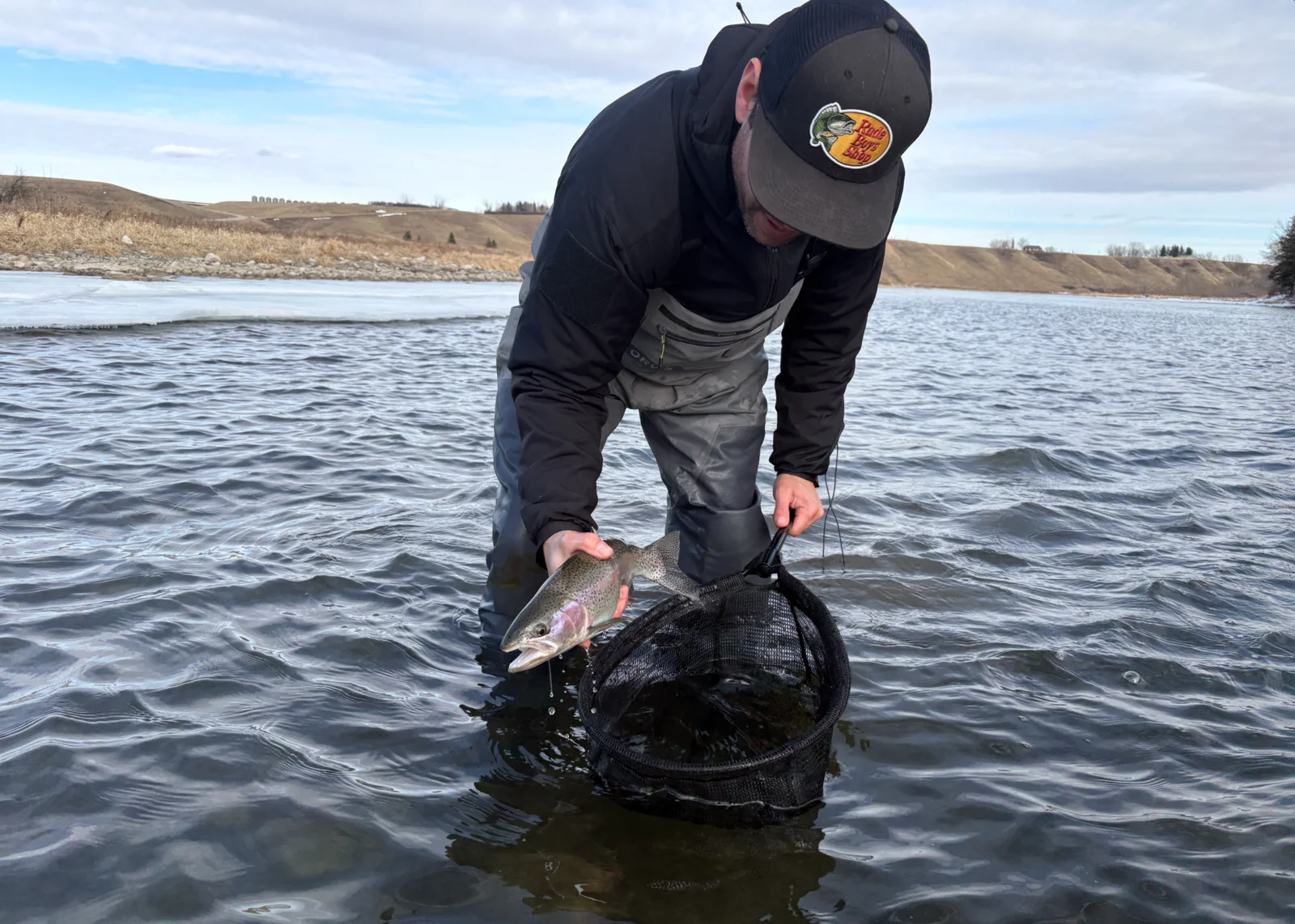
Get the drift right, get the fish. Nymphing is about consistency.
Depth Control (The Real Skill)
How to Know Youre Deep Enough
- Occasional tick on bottom (1 in 10 drifts)
- Indicator hesitates, you hook weeds sometimes
- Fish actually eating your flies (not ignoring)
How to Get Deeper
- Add more split shot
- Move indicator UP the leader
- Use heavier flies (tungsten beads)
- Cast further upstream (more sink time)
How to Know Youre Too Deep
- Constant snagging
- Flies hanging up every drift
- Missing subtle takes (line control lost)
Common Nymphing Mistakes
Add weight. Trust it. Fish are on the bottom.
Strip set, not trout set. Preserve the drift.
Mend before line drags, not after.
Short drifts, more control. Less is more.
Fish eat on the swing up. Stay alert.
Adjust as conditions change.
Nymphing FAQ
What percentage of a trouts diet is subsurface?
About 90%. Thats why nymphing catches more fish than dry fly fishing most days. Trout feed below the surface far more than on top.
What is a strike indicator?
A floating marker on your line that shows when fish take the nymph. It works like a bobber. When it hesitates, dips, or moves unnaturally, set the hook.
How deep should I fish nymphs?
Get on the bottom. Set your indicator at 1.5x the water depth. You should tick bottom occasionally. If youre not getting hung up sometimes, youre probably too shallow.
Whats the difference between nymphing and dry fly fishing?
Nymphs fish below the surface using weight and an indicator. Dry flies float on top. Both work, but nymphing is more consistent since trout feed subsurface most of the time.
What are the best all-around nymph patterns?
Pheasant Tail, Hares Ear, Zebra Midge, and Pats Rubber Legs. These four patterns work everywhere and cover most situations on the Bow River.
What is euro nymphing?
Tight-line nymphing without an indicator. Uses a long rod, direct contact to flies, and a colored sighter instead of indicator. Technical but very effective for picky fish.
Learn to Nymph the Bow
Master the technique that catches fish when nothing else works. We teach nymphing on every trip.
Book a Guided Trip