Why Whitefish Deserve Respect
Lets get this out of the way: whitefish arent trash fish. Theyre native to the Bow River system, they fight harder than their reputation suggests, and they fill in the gaps when trout arent cooperating.
Been here longer than some stocked trout. Important ecosystem role.
Solid on light tackle. 3-4 weight rods make them exciting.
Active when trout are slow. Cold water, tough conditions, no problem.
The Whitefish vs. Trout Debate
The Snobbery Problem
Fly fishers often dismiss whitefish as bycatch. Theyve been called Rocky Mountain bonefish (derogatory), considered not real fly fishing, and generally looked down upon.
Our take: Thats nonsense.
The Reality
| Myth | Reality |
|---|---|
| Theyre trash fish | Native species with important ecosystem role |
| They dont fight | Solid fight on 3-4 weight rods |
| Theyre easy to catch | Subtle takes require technique to detect |
| Only beginners catch them | Experienced anglers specifically target them |
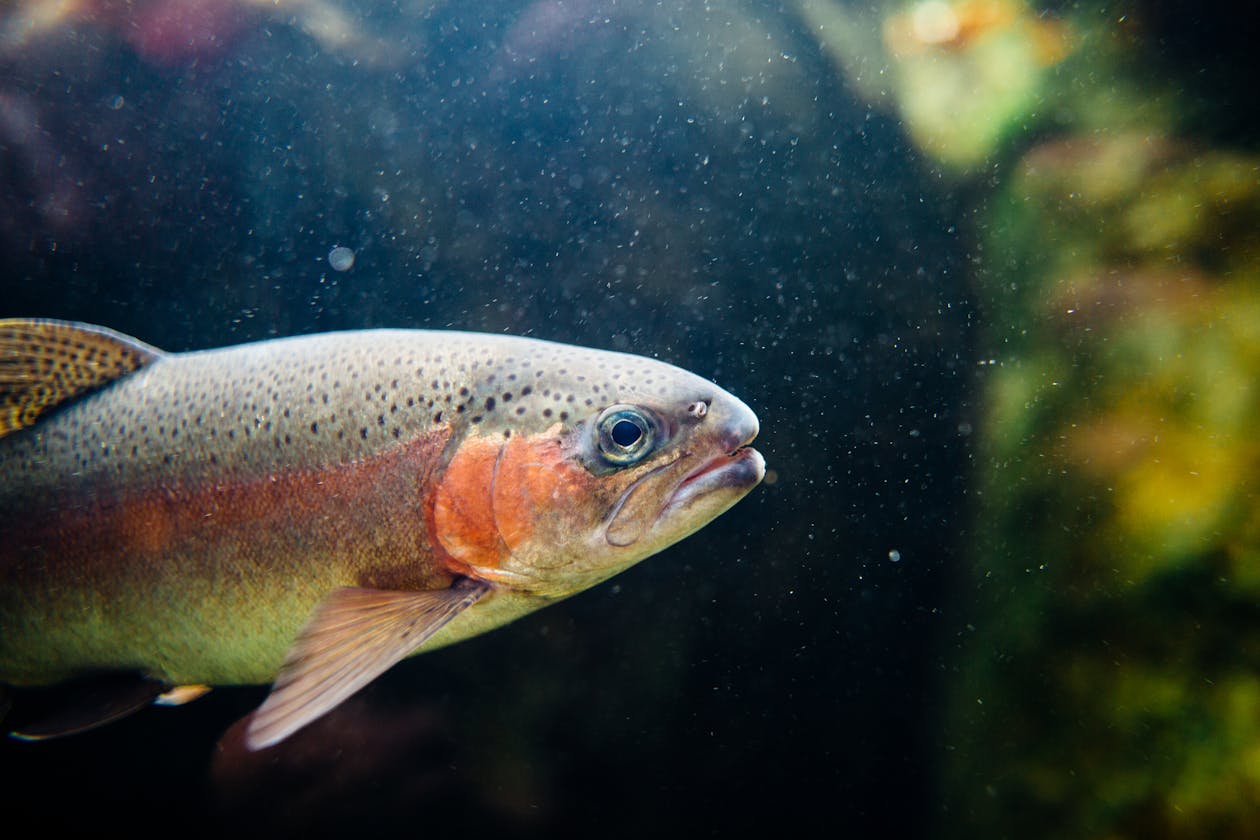
Deep runs, cold mornings, bent rods. Whitefish deliver.
Identifying Mountain Whitefish
Physical Characteristics
- Silvery body with slight green/brown back
- Small, downturned mouth (sucker-like)
- Larger scales than trout
- Adipose fin (like trout)
- Smaller head relative to body
- Average 12-16 inches, some hit 20+ inches (3-4 lbs)
Whitefish vs. Trout (Quick ID)
| Feature | Whitefish | Trout |
|---|---|---|
| Mouth | Small, subterminal (points down) | Larger, terminal |
| Body shape | Cylindrical | More laterally compressed |
| Coloring | Silver, minimal spots | Spotted patterns |
| Scales | Large, visible | Smaller |
| Fight | Steady, strong | Acrobatic jumps |
Where to Find Whitefish on the Bow
Habitat Preferences
- Depth: Deeper pools and runs (4-8ft)
- Current: Moderate to slow
- Bottom: Gravel and cobble
- Structure: Near ledges, drop-offs
- Schools: Often grouped (find one, find many)
Bow River Hotspots
- Lower Bow (Carseland): Excellent whitefish water
- Deep runs: Below riffles, tailouts
- Winter: Concentrate in slower, deeper holes
- Summer: Spread out more, mixed with trout
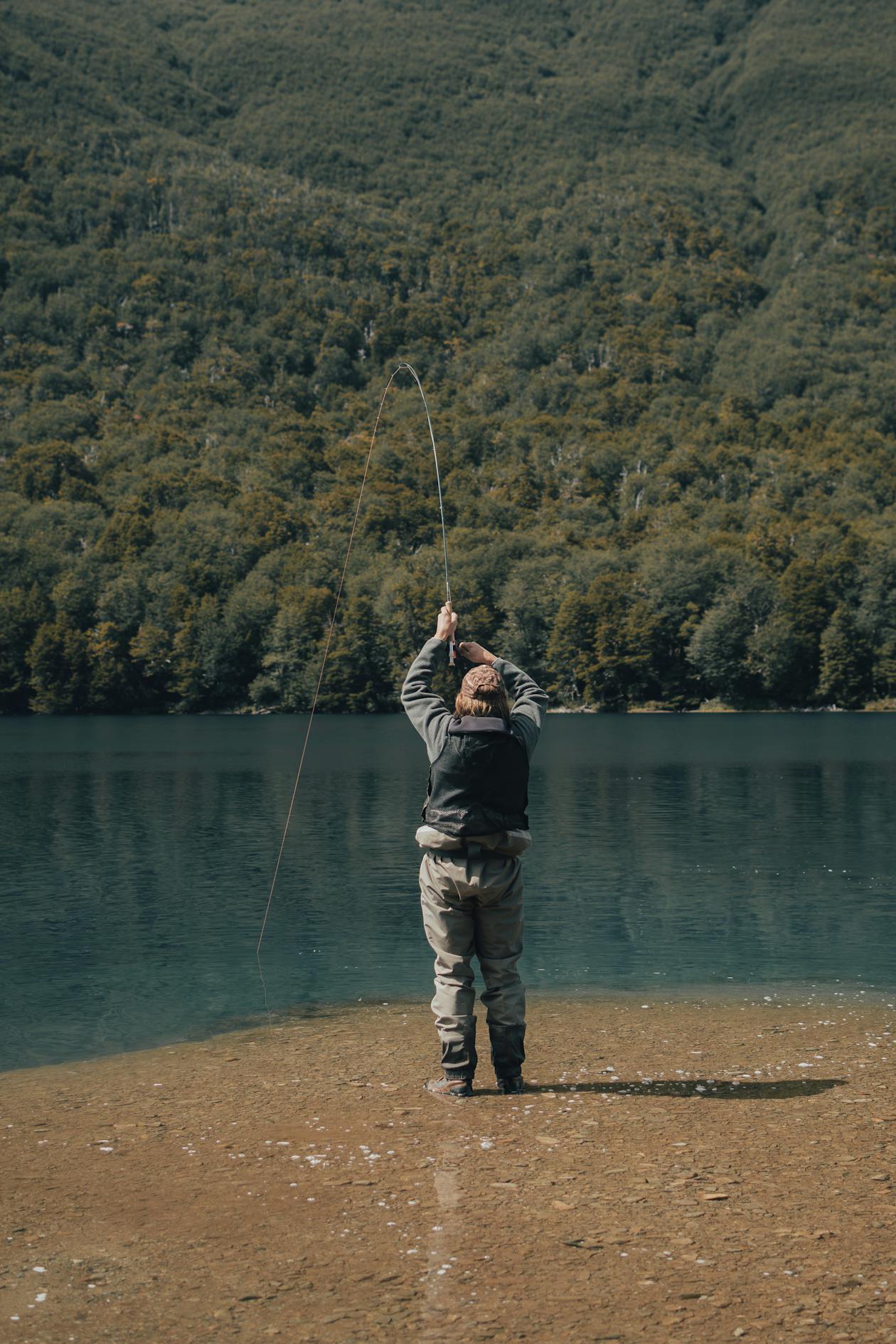
Fish deep, watch for subtle takes. Whitefish rewards patience.
When to Target Whitefish
Year-Round Availability
| Season | Whitefish Activity | Notes |
|---|---|---|
| Spring | Good | Waking up with trout |
| Summer | Good | Mixed with trout catches |
| Fall | Excellent | Feeding heavily pre-winter |
| Winter | Excellent | When trout slow, whitefish stay active |
Key insight: Whitefish are most valuable when trout fishing is tough. Cold water, bright sun, “off” days. Thats when they shine.
Techniques for Whitefish
Nymphing (Primary Method)
- Fish deep. Whitefish are bottom feeders.
- Smaller flies (16-20) work best
- Dead drift, no action needed
- Key: Watch for SUBTLE takes
The Subtle Take Problem
Whitefish dont smash flies like trout. Their takes feel like momentary resistance. The indicator barely moves. If something feels different, set the hook. Practice helps, and you develop the feel over time.
Dry Fly Whitefish
Yes, they eat dry flies. Smaller patterns (18-22), midge clusters, small BWOs. Takes are quiet sips, not splashy. Underrated fun when you can make it work.
Flies for Whitefish
Top Patterns
| Pattern | Size | Why |
|---|---|---|
| Pheasant Tail | 16-20 | All-around producer |
| Hares Ear | 14-18 | Buggy, effective |
| Zebra Midge | 18-22 | Midge larvae |
| San Juan Worm | 12-16 | Bottom feeder appeal |
| Rainbow Warrior | 16-20 | Flash helps visibility |
| RS2 | 18-22 | Emerger pattern |
Key Differences from Trout
- Smaller flies generally better
- Less flash often preferred
- Deep presentations essential
- Multiple flies help locate schools
Regulations & Limits
Alberta Regulations (2026)
- Limit: 5 whitefish over 30cm per day
- No bait in Bow River trout waters
- Always check current regs — Alberta Guide to Sportfishing
Catch & Release vs. Keep
Whitefish are excellent eating. Mild, white flesh (like lake whitefish). Keeping a few is sustainable. Release larger fish since theyre the breeders.
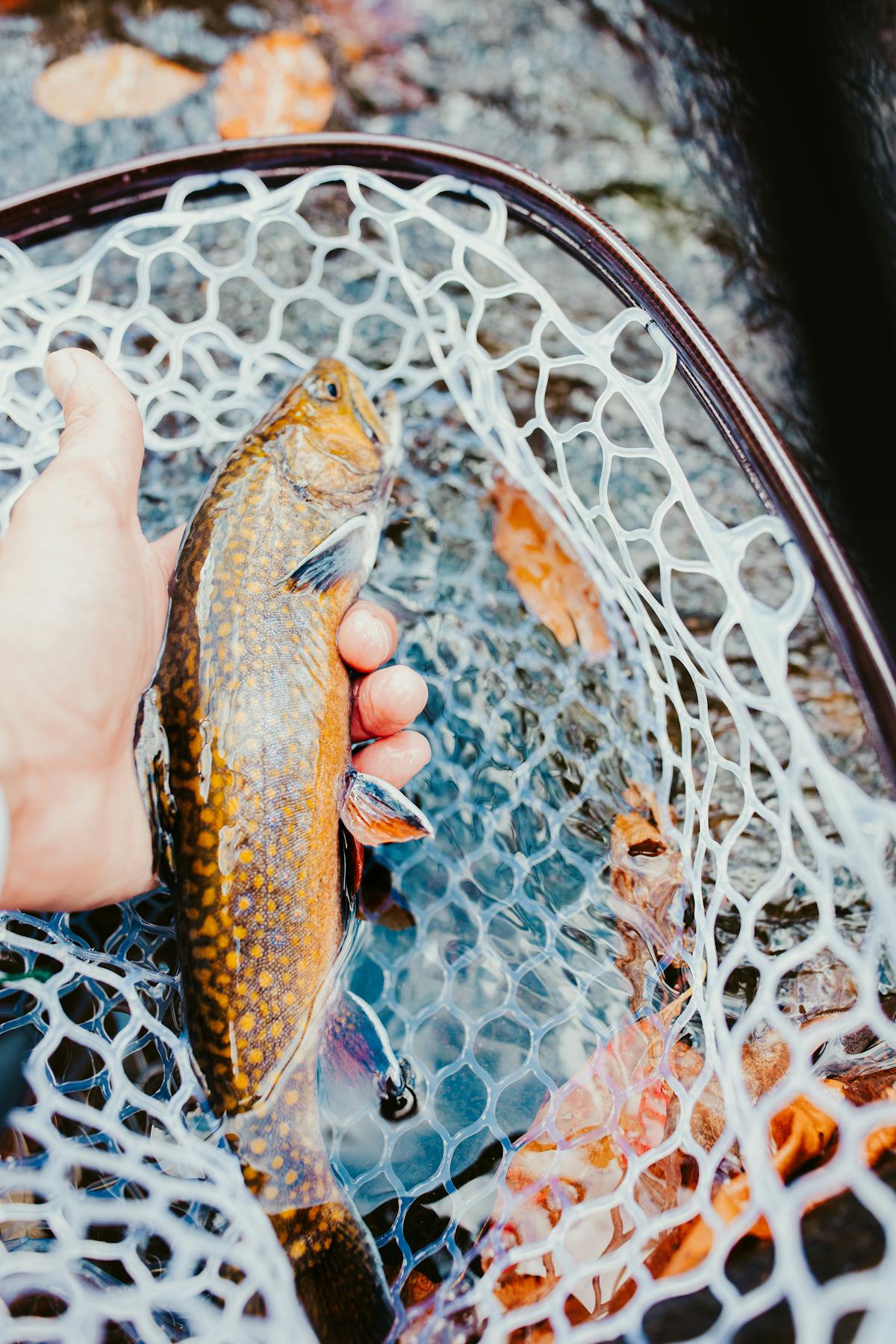
Rod bent, line tight, fish on. Whitefish days are good days.
Why Guides Value Whitefish
Slow Day Insurance
Even on tough trout days, clients catch fish. Keeps rods bent, skills sharp. Learning opportunity for detecting subtle takes. Better than staring at water.
The Year-Round Advantage
| Trout Challenge | Whitefish Opportunity |
|---|---|
| Cold water (spring/fall) | Whitefish stay active |
| Bright, sunny days | Less affected by light |
| Post-front conditions | More resilient |
| “Off” days | Consistent backup |
Whitefish FAQ
Are mountain whitefish good to eat?
Yes. Mild, flaky white meat. Great smoked or pan-fried. Legal to keep in Alberta (5 over 30cm per day). Many anglers consider them better eating than trout.
Where do whitefish live in rivers?
Deep, slow holes with gravel or cobble bottom. Theyre bottom feeders that school together. Find one, youll usually find many more in the same area.
What flies catch whitefish?
Small beadhead nymphs in sizes 16-20 work best. Pheasant Tail, Zebra Midge, Hares Ear, and San Juan Worms are consistent producers. Fish them deep.
Do whitefish fight hard?
Yes. Theyre underrated fighters, especially on light tackle. The challenge is their small mouths which makes hooksets tricky and landing them more difficult.
Can you catch whitefish on dry flies?
Yes. Theyll eat small dries, especially midge clusters and small BWOs. Takes are quiet sips, not splashy like trout. Subtle but satisfying.
When is the best time to fish for whitefish?
Winter and cold months. Whitefish stay active when trout slow down, making them excellent targets during shoulder seasons and tough conditions.
Book a Whitefish Trip
Great for beginners (action-focused), excellent for winter and shoulder season. Mix trout and whitefish for double the opportunity.
Book Your Trip